iPhone 17 Launch: Has Apple Backed Down From This Google Pixel Battle?
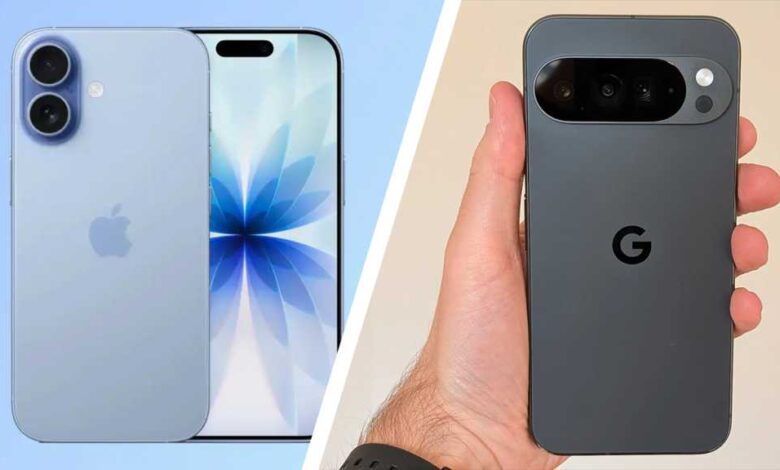
The latest iPhone launch always gives us a glimpse into the ever-evolving smartphone market. While Apple may not always be the first to adopt new technologies, it strategically times its launches to make a significant impact.
In 2025, the trend of ultra-slim phones is dominating the market, with Samsung leading the way by introducing the 5.8mm Galaxy S25 Edge in May. This was followed by a fierce competition with Honor for the title of the thinnest book-style foldable phone. In response, Apple unveiled the iPhone Air, measuring at 5.6mm, hinting at the possibility of a future foldable iPhone. Alongside the upgraded iPhone 17 and the revamped Pro and Pro Max models, Apple presented a comprehensive lineup to cater to varying consumer preferences.
However, one notable absence from the event was Apple’s focus on artificial intelligence (AI). While Apple had previously launched Apple Intelligence to much excitement in 2024, the latest iPhone launch barely touched upon this aspect. This shift in focus raises questions about Apple’s current stance on AI development and implementation.
The journey of Apple Intelligence has been somewhat rocky so far. Despite its initial launch at WWDC in June 2024, the features of Apple Intelligence were not fully integrated into the iPhone 16 series until December of that year. The slow rollout of new features has left Apple Intelligence feeling incomplete, with the highly anticipated ChatGPT-based Siri still missing from the lineup.
On the other hand, Google has been leading the charge in AI integration on smartphones with its Pixel series. The Pixel 10 phones showcase a wide array of AI features that set a new standard in the industry. From innovative camera capabilities like Camera Coach and Pro Res Zoom to AI-driven virtual assistants like Gemini, Google has set a high bar for AI functionality on phones.
Additionally, Samsung’s Galaxy AI and other Android brands like OnePlus, Xiaomi, and Honor have not shied away from leveraging AI to enhance user experience. With Samsung aiming to include AI on 400 million devices by the end of 2025, the competition in the AI space is fierce.
While Apple may have taken a backseat in highlighting its AI capabilities during the latest launch event, it is evident that the company is still actively working to improve its AI offerings. The smartphone AI arms race is just beginning, and Apple is likely strategizing to catch up with its Android counterparts.
In conclusion, if AI functionality is a top priority for you, the Android devices currently offer a more advanced and comprehensive AI experience. However, if you are considering which iPhone model to purchase, the decision ultimately depends on your personal preferences and priorities. The smartphone market is continuously evolving, and it will be interesting to see how Apple adapts to the growing influence of AI technology.