iPhone 17 Launch: Why I Won’t Be Switching From My Pixel 10
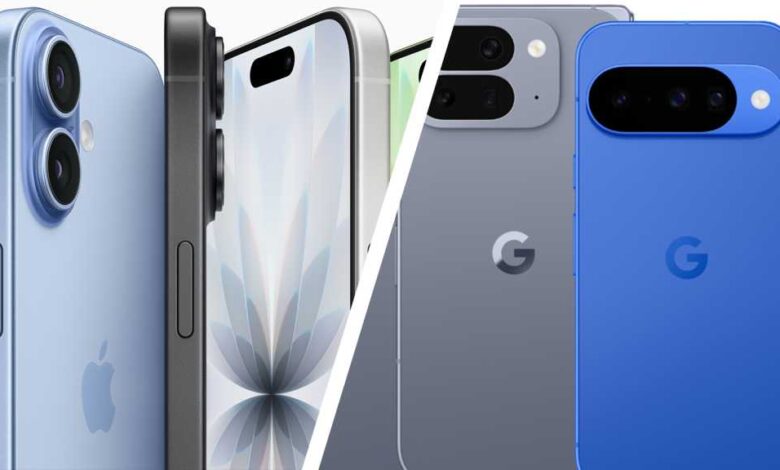
It’s that time of year again – iPhone season has arrived. Apple has just unveiled the highly anticipated iPhone 17 series at their September launch event, and there’s a lot to be excited about. The lineup now includes four models, with the introduction of the all-new iPhone Air replacing the Plus model. This marks a significant shift in Apple’s iPhone lineup, with plenty of upgrades to look forward to.
While the new iPhone models are impressive, I personally won’t be making the switch to an iPhone 17 long-term. The main reason for this decision is Google’s Pixel 10 series, which offers features that align better with my preferences.
One of the headline announcements from Apple’s event was the introduction of the ultra-slim iPhone Air, measuring just 5.6mm thick. While this design may appeal to some users, my experience with similarly thin phones has shown that they often sacrifice battery life and camera quality. The iPhone Air, with its smaller battery and single 48MP rear camera, may not offer enough value for its starting price of £999/$999.
In contrast, Google’s Pixel 10 series retains a more traditional lineup of regular, Pro, and Pro Max models, with the addition of a book-style foldable phone. This approach appeals more to me as it prioritizes practicality and functionality over extreme slimness.
The iPhone 17 series introduces the new A19 chipset, offering improved performance across the lineup. While Apple’s devices have always been known for their powerful performance, the Pixel 10 series with its Tensor G5 chipset still delivers excellent performance in real-world usage. The focus on AI features in the Pixel 10 series sets it apart from the competition, providing a unique user experience.
When it comes to photography, the iPhone has always excelled in video capabilities, with the ability to capture detailed and smooth footage, including 8K video recording in the latest models. However, as someone who values still photography more than videography, the Pixel 10 Pro XL’s camera capabilities stand out. The Pixel 10 series offers consistently great photos in various conditions, making it a reliable choice for capturing high-quality images.
In terms of operating systems, the iPhone 17 series debuts iOS 26 with a new ‘Liquid Glass’ design language. While the redesign aims to enhance the user experience, some fundamental issues with iOS, such as notifications and quick settings, remain unchanged. As a user deeply integrated into the Google ecosystem, the Pixel 10 series running Android 16’s ‘Material 3 Expressive’ design language offers a more seamless experience for me.
In conclusion, while the iPhone 17 series brings significant upgrades and changes, the Google Pixel 10 series aligns better with my preferences and needs. The Pixel 10 phones offer a user-friendly experience, excellent camera capabilities, and a design that suits my workflow. However, for existing iPhone users or those who don’t share my specific concerns, the iPhone 17 series still offers plenty to be excited about.