Iran’s Rial Just Collapsed. Is It Time For Bitcoin?
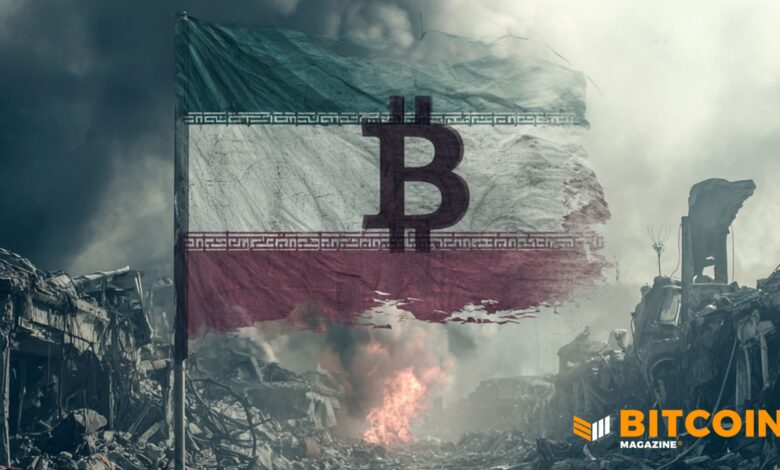
Iran’s Economic Crisis Deepens as Rial Collapses Against U.S. Dollar
Iran is currently facing a severe economic crisis as its national currency, the rial, has plummeted in value against the U.S. dollar. The exchange rate now stands at approximately 1.4 million rials to one U.S. dollar, erasing decades of purchasing power and sparking widespread unrest.
This rapid decline in the value of the rial has been exacerbated by a combination of factors including harsh sanctions, dwindling oil revenues, and political instability. As a result, both investors and ordinary Iranians are seeking alternatives to the rial and even the U.S. dollar.
The inflation rate in Iran has skyrocketed, with prices of essential goods such as food and medicine experiencing sharp increases. Many families are now struggling to make ends meet as they are forced to allocate a larger portion of their income towards basic necessities.
The economic strain has spilled over into public demonstrations, with bazaar merchants and students taking to the streets in protest against economic mismanagement and political repression. Even traditional supporters of the government in Tehran have openly criticized the clerical leadership as conditions continue to deteriorate.
In response to the unrest, Iranian authorities have imposed telecom blackouts and jammed satellite services, prompting citizens to turn to offline communication tools. Apps like Bitchat and Noghteha, which facilitate secure messaging via Bluetooth and mesh networks without internet access, have seen increased usage.
Bitcoin Emerges as a Viable Alternative
Amidst the chaos, Bitcoin has emerged as a potential solution for Iranians looking to protect their wealth amidst the currency crisis. The adoption of cryptocurrencies in the Middle East and North Africa has been steadily increasing, offering a hedge against unstable local currencies and restrictive financial systems.
Reports from blockchain analysis firm Chainalysis have highlighted the role of Bitcoin and cryptocurrencies in facilitating value transfers in Iran. State actors and private individuals have turned to crypto channels to preserve savings and circumvent the limitations of the rial and the sanctioned banking system.
Despite government restrictions on digital finance, Iranian-linked services have moved over $4 billion through crypto channels in 2024 alone. Centralized exchanges in Iran have seen a surge in users seeking to exchange rials for assets with more stable value.
Bitcoin is being viewed not just as a financial tool, but as an “exit option” for Iranians disillusioned with traditional money in the face of economic turmoil. Its fixed supply and global liquidity are seen as safeguards against inflationary policies and external pressures.
However, challenges remain as the Iranian government continues to enforce strict controls on digital finance, cracking down on unregistered mining operations and monitoring crypto platforms. This creates legal uncertainty for Iranians seeking to use crypto as a safe haven.
Conclusion
As Iran grapples with a deepening economic crisis and a collapsing currency, Bitcoin has emerged as a beacon of hope for many seeking financial stability. Its resilience, borderless nature, and censorship-resistant properties make it an attractive option for those looking to protect their wealth in turbulent times.