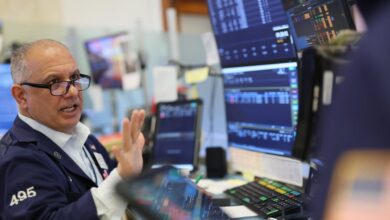
Israel’s stock market outperforms Middle East despite multi-front wars
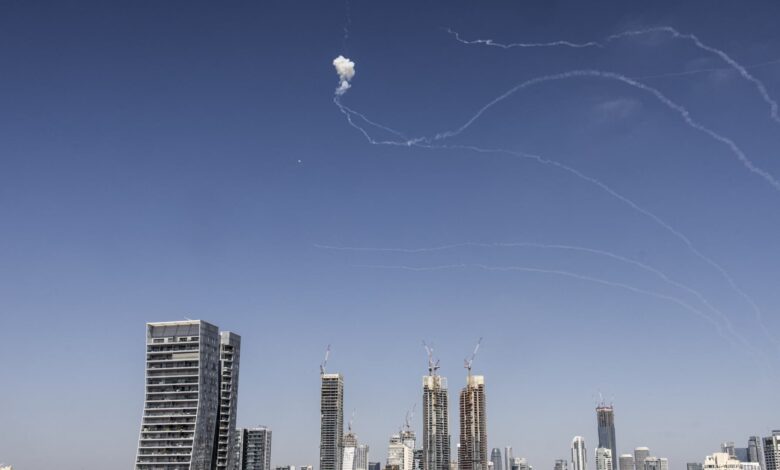
Israel’s Economy Thrives Amidst Ongoing Conflict
In the midst of a 22-month war that began in October 2023, Israel’s economy has surprisingly thrived, with its stock market reaching record highs and outperforming other countries in the Middle East. Despite facing multiple challenges such as war crimes allegations, domestic protests, and political instability, Israel has seen significant economic growth, fueled by foreign investments and renewed investor confidence following a recent conflict with Iran.
Following a 23% drop in the stock market after the war declaration in October 2023, the Tel Aviv Stock Exchange rebounded and surpassed pre-war levels by the first quarter of 2024. As of July 17, the TASE has experienced a 200% increase from its lowest point in October 2023. The country’s GDP initially contracted by nearly 20% in the last quarter of 2023 due to decreased private consumption and investment. However, the economy managed to achieve modest growth of 2% in 2023 and an additional 1% in 2024, largely driven by government spending. The OECD has forecasted a 4.9% economic growth rate for Israel in 2026.
In a July report, the Tel Aviv Stock Exchange noted a significant increase in new trading accounts opened in the Israeli capital market. The number of accounts opened in 2024 tripled compared to the previous year, with an additional 87,000 accounts opened in the first half of 2025. This surge in investor participation has contributed to the market’s resilience and high trading volumes.
Israel’s tech sector has played a crucial role in driving economic success, accounting for 20% of the country’s GDP and 56% of international exports. The government’s substantial investment in research and development has propelled innovation and growth in the high-tech industry. Additionally, the defense sector has garnered attention from foreign countries, leading to increased collaboration and partnerships.
Foreign investment has also played a pivotal role in boosting Israel’s stock market and real estate sector. In 2025 alone, foreign investors purchased approximately 2.5 billion shekels in TASE shares, totaling 9.1 billion shekels since the beginning of the year. Israel’s central bank reported a significant increase in outstanding liabilities to foreign investors, highlighting the country’s attractiveness to international capital.
Despite external investments, Israel’s domestic institutional investors and robust savings framework remain key drivers of market stability. High savings rates and a strong pension system have provided essential support for the local market, especially during periods of geopolitical uncertainty. While foreign inflows are valuable, Israel’s economic reforms, improved security environment, and local capital commitment continue to underpin the economy’s growth trajectory.
The Israeli shekel has strengthened against the U.S. dollar following the conflict with Iran, and inflation is expected to align with the central bank’s target rate by the third quarter of 2025. This positive economic outlook suggests further monetary easing and continued growth opportunities for Israel amidst ongoing challenges.