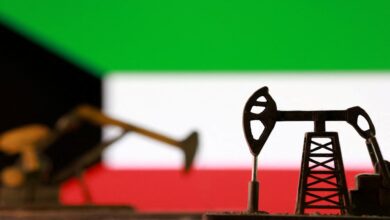
‘It’s a violation of the law’: Schumer criticizes Trump’s decision to strike Venezuela
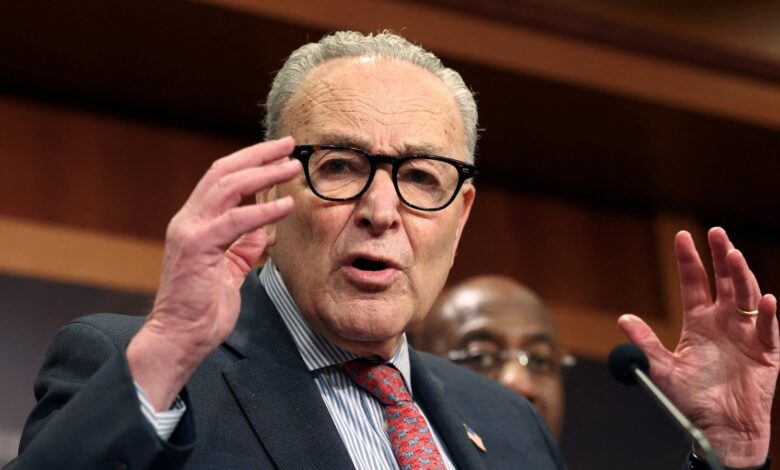
Senate Minority Leader Chuck Schumer has raised concerns about the recent U.S. strike on Venezuela, calling the capture of Venezuelan President Nicolás Maduro unlawful. In an interview with “This Week” anchor George Stephanopoulos, Schumer criticized the actions taken by the U.S., stating that lawlessness should not be met with further lawlessness.
While acknowledging Maduro’s controversial leadership, Schumer emphasized the importance of following legal protocols and obtaining authorization from Congress before engaging in military operations. He expressed skepticism about the U.S. government’s ability to oversee Venezuela’s transition, particularly in terms of rebuilding the country’s oil infrastructure.
President Donald Trump’s assertion that the U.S. would oversee Venezuela’s governance until a smooth transition could be achieved was met with criticism from Schumer. The senator cautioned against hasty regime changes and highlighted the potential consequences for American citizens in terms of both human lives and financial resources.
Schumer also called attention to Trump’s contradictory stance on overseas conflicts, noting that the president had previously campaigned against engaging in endless wars. The senator warned that the current situation in Venezuela could escalate into a prolonged military intervention, contradicting Trump’s campaign promises.
The recent U.S. military mission in Venezuela, which led to the capture of Maduro on charges of narcoterrorism and drug trafficking, has sparked debate and raised questions about the legality and implications of such actions. Schumer’s interview shed light on these concerns and underscored the need for a thoughtful and measured approach to foreign policy.
In addition to discussing Venezuela, Schumer addressed other pressing issues, such as the renewal of Obamacare insurance premiums and the possibility of another government shutdown. He criticized Republican lawmakers for obstructing efforts to extend insurance coverage and expressed optimism about ongoing bipartisan negotiations to fund government operations.
Overall, Schumer’s remarks highlighted the complexities of U.S. foreign policy and the importance of upholding democratic principles in addressing international conflicts. The senator’s concerns reflect broader debates within the political landscape and underscore the need for thoughtful and strategic decision-making in navigating complex geopolitical challenges. The impact of social media on mental health has been a topic of much debate in recent years. With the rise of platforms like Instagram, Facebook, and Twitter, there has been an increase in the amount of time people spend online, leading to concerns about the potential negative effects on mental well-being.
One of the main ways social media can impact mental health is through comparison. People often post carefully curated images and updates that may not reflect their true reality, leading others to compare themselves and feel inadequate. This can result in feelings of envy, low self-esteem, and depression.
Another way social media can affect mental health is through cyberbullying. With the anonymity provided by the internet, individuals may feel emboldened to engage in hurtful behavior towards others, leading to feelings of anxiety, fear, and isolation.
Additionally, the constant presence of social media can contribute to feelings of FOMO (fear of missing out) and a need to constantly check for updates. This can lead to feelings of stress and overwhelm, as individuals feel pressure to always be connected and up to date.
However, it is important to note that social media can also have positive effects on mental health. It can provide a sense of community and connection, especially for those who may feel isolated in their everyday lives. It can also be a source of inspiration and support, as individuals share their experiences and offer encouragement to others.
To mitigate the negative impact of social media on mental health, it is important for individuals to be mindful of their usage and set boundaries. This can include limiting screen time, unfollowing accounts that trigger negative feelings, and engaging in activities that promote well-being offline.
In conclusion, while social media can have both positive and negative effects on mental health, it is essential for individuals to be aware of how their online interactions are impacting their well-being. By practicing self-care and setting boundaries, individuals can harness the benefits of social media while protecting their mental health.