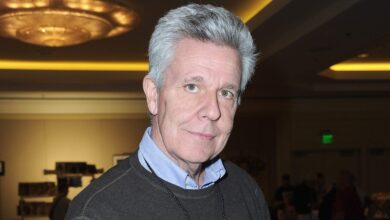
Jacques Audiard’s ‘A Prophet’ Becomes a Series by Enrico Maria Artale
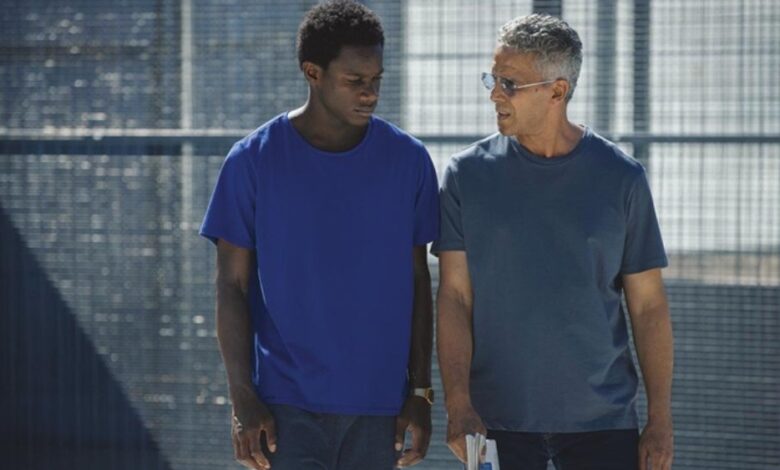
Italian director Enrico Maria Artale boldly took on the challenge of referencing Jacques Audiard’s acclaimed 2009 drama, “A Prophet,” in his new eight-episode series of the same name. While some French directors shied away from the project, Artale saw it as a unique opportunity to work on a story he had long admired.
The series, sold by Studiocanal and created by Abdel Raouf Dafri and Nicolas Peufaillit, follows Malik, a young African immigrant, as he navigates life in a French prison and forms an unlikely alliance with a powerful businessman named Massoud. Artale was determined to give the series its own distinct style and tone, separate from Audiard’s film, while still exploring similar themes such as immigration and power dynamics.
Drawing inspiration from classic French noir films, Artale aimed to create a series that blended elements of realism with a touch of mysticism. By incorporating literary and religious references, as well as exploring philosophical themes within the confines of a prison setting, he sought to delve deeper into the human experience and the dignity of the characters portrayed.
One of the highlights of the show for Artale was the complex relationship between Malik and Massoud, which touches on issues of racism, discrimination, and social inequality prevalent in contemporary Europe. Despite the challenges they face, the characters find a surprising connection that transcends their differences.
As discussions about a potential second season loom, Artale reflects on the intense three-year journey of creating the series and the impact it has had on his life. While he remains focused on his next film project, he acknowledges the possibility of revisiting the characters and story of “A Prophet” in the future.
Known for his hands-on approach to filmmaking, Artale emphasizes the importance of adapting characters to the actors and allowing for creative collaboration on set. By shooting scenes in chronological order and closely engaging with the actors, he aims to capture the evolution of the characters in a way that feels authentic and immersive.
Looking ahead, Artale envisions a future where the worlds of television and independent filmmaking intersect more seamlessly, ultimately benefitting both mediums. By bridging the gap between the two, he hopes to continue pushing the boundaries of storytelling and creating compelling narratives that resonate with audiences.
In conclusion, Enrico Maria Artale’s reimagining of “A Prophet” showcases his talent for weaving together complex themes and character dynamics in a way that captivates viewers and challenges traditional storytelling conventions. As he continues to explore new creative opportunities, his dedication to authenticity and innovation promises to shape the future of television and cinema.