Jamie Lee Curtis cries while discussing Charlie Kirk’s assassination
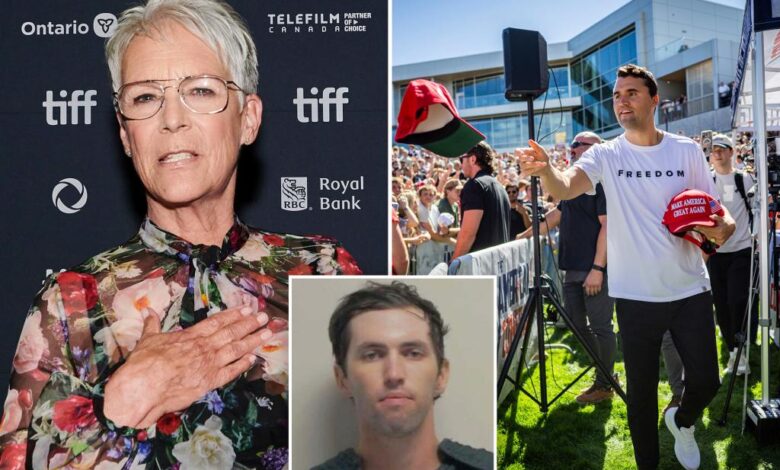
Actress Jamie Lee Curtis was deeply moved and fought back tears as she discussed the recent assassination of Charlie Kirk during a podcast appearance on Monday. Curtis, known for her roles in films like “Halloween” and “Freaky Friday,” spoke about Kirk’s spirituality and faith, despite having differing political views from him.
While acknowledging that she disagreed with Kirk on almost every point, Curtis emphasized that she believed he was a man of faith. She expressed hope that in his final moments, Kirk felt connected to his beliefs and found solace in his spirituality. Despite their ideological differences, Curtis recognized Kirk as a father, husband, and a man of faith.
During the podcast, Curtis also touched upon the impact of constantly being exposed to traumatic events through media imagery. She reflected on the repeated viewing of distressing footage, such as the 9/11 terrorist attacks or the video of Kirk’s assassination, and the potential long-term effects it may have on society.
Charlie Kirk, a 31-year-old conservative commentator and founder of Turning Point USA, was shot and killed while speaking at Utah Valley University as part of his “American Comeback Tour.” The tragic event sparked a nationwide manhunt, ultimately leading to the arrest of Tyler Robinson, the alleged assassin.
Turning Point USA, the organization Kirk founded, paid tribute to him as a devoted Christian who wished to be remembered for his faith above all else. President Trump publicly announced Kirk’s death and expressed his intention to posthumously award him the Presidential Medal of Freedom, the nation’s highest honor.
Tyler Robinson, a 22-year-old from St. George, Utah, has refused to cooperate with the FBI’s investigation into Kirk’s murder following his arrest. The incident has left many grappling with the impact of violence and tragedy in a society inundated with constant media imagery.
As Curtis reflected on the assassination and its aftermath, she drew parallels to her own connection to a national tragedy, being born on the anniversary of President John F. Kennedy’s assassination. She questioned the psychological effects of exposure to such traumatic events and the desensitization that may result from constant media saturation.
The conversation on the podcast shed light on the complexities of faith, tragedy, and the human experience in the face of violence. Curtis’s emotional response to Kirk’s death highlighted the profound impact of loss and the search for meaning in the midst of tragedy.