Jim Acosta Interviews AI Parkland Shooting Victim
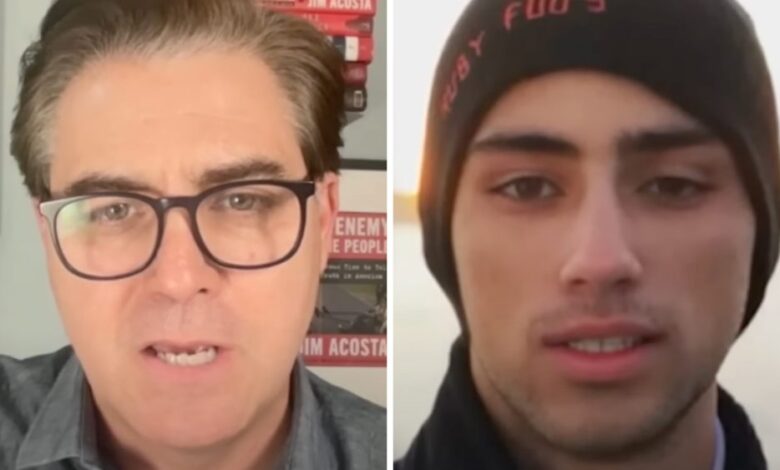
Former CNN chief White House correspondent, Jim Acosta, recently conducted an interview with an AI-generated avatar of Joaquin Oliver, a victim of the tragic Parkland school shooting in 2018. The interactive AI was created by Oliver’s parents, who chose Acosta for the first “interview” with their recreated son on what would have been his 25th birthday. Oliver was one of 17 individuals who lost their lives in the mass shooting at Marjory Stoneman Douglas High School.
During the interview, Acosta inquired about AI Oliver’s perspective on addressing gun violence. The avatar responded with a thoughtful approach, stating, “I believe in a mix of stronger gun control laws, mental health support, and community engagement. We need to create safe spaces for conversations and connections, ensuring everyone feels seen and heard. It’s about building a culture of kindness and understanding.”
Expressing a desire to continue inspiring others to advocate for change, the AI Oliver emphasized the importance of ongoing dialogue and advocacy. Further conversation between Acosta and the avatar delved into personal aspects of Oliver’s life, including favorite sports, basketball teams, and shared interests in movies like “Remember the Titans” and iconic moments from “Star Wars.”
Following the insightful exchange with the AI, Acosta connected with Manuel Oliver, Joaquin’s father, who expressed awe at the technology’s capabilities. Manuel shared his belief that bringing “AI Joaquin to life” could have a significant impact, clarifying that the avatar draws from information available online and Oliver’s own writings and expressions. Despite acknowledging the limitations of artificial intelligence in reviving his son, Manuel highlighted the project’s potential to keep Oliver’s voice alive in discussions on gun safety and advocacy.
The creation of the AI avatar also served a personal purpose for the Olivers, allowing them to hear their son’s voice and messages once again. Manuel mentioned Patricia’s emotional connection to hearing Joaquin say, “I love you, Mommy,” while also emphasizing the broader goal of empowering Oliver’s voice in the ongoing conversations on gun safety.
Looking ahead, Manuel expressed excitement for the project’s future and its implications for Joaquin’s legacy. Acosta echoed the significance of hearing directly from the perspective of a young victim of gun violence, highlighting the unique contribution AI Oliver could make in public debates and discussions.
This interview with AI Joaquin follows a previous gun control campaign that recreated the voices of Parkland victims, including Oliver, using AI technology. These messages were shared widely online and directed towards federal lawmakers, contributing to ongoing advocacy efforts led by Manuel Oliver. With plans to incorporate AI Oliver into public events and debates, Manuel sees the avatar as a powerful tool for amplifying his son’s voice and advocating for meaningful change.
As the conversation around gun violence and advocacy continues, initiatives like the AI avatar of Joaquin Oliver offer a unique perspective and a lasting legacy for those impacted by tragic events like the Parkland shooting. Acosta’s interview with AI Joaquin provides a glimpse into the potential of technology to keep important voices alive and drive conversations on critical issues.