JM Smucker becomes latest food manufacturer to remove artificial colors from popular brands
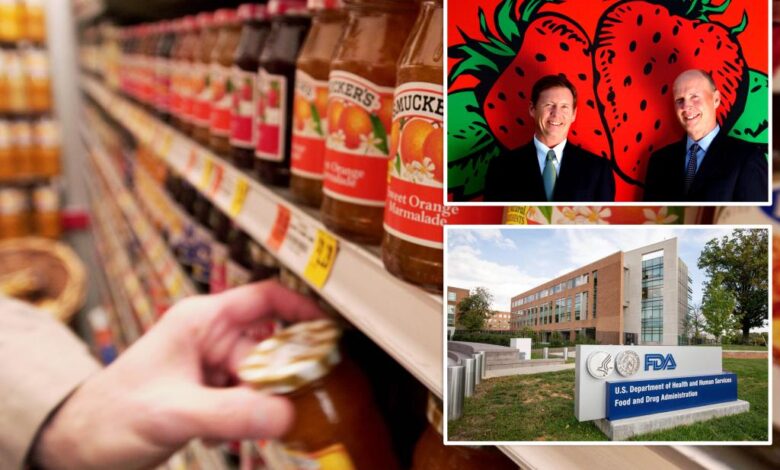
The J.M. Smucker Co. has announced its commitment to eliminate FD&C artificial dyes from its products within the next two years, in line with the Trump administration’s aim to remove artificial colors from the nation’s food supply.
This pledge will impact Smucker’s sugar-free fruit spreads, ice cream toppings, and certain products under its Hostess brand portfolio.
The company is also collaborating with its distribution partners to stop selling products with FD&C colors to K-12 schools by the 2026 – 2027 school year.
Most of Smucker’s consumer foods are already free of FD&C colors, with the majority of its products available to K-12 schools meeting this standard.
Previously, Smucker’s removed high-fructose corn syrup from Uncrustables sandwiches, introduced fruit spreads with natural ingredients, and offered reduced sugar options.
J.M. Smucker CEO Mark Smucker stated, “Our commitment to remove FD&C colors from our sugar-free fruit spreads, ice cream toppings, and sweet baked goods products demonstrates our dedication to innovation and meeting consumer expectations.”
FD&C colors are approved by the FDA for use in food, drugs, and cosmetics, and are subject to strict approval under the FD&C Act.
Other food giants like General Mills and Kraft Heinz have also committed to removing artificial dyes from their U.S. portfolios by 2027.
PepsiCo and McCormick have initiated efforts to reduce artificial ingredients in their products, aligning with the FDA’s plans to strengthen the review process for food chemicals in the market.
Health and Human Services Secretary Robert F. Kennedy Jr. and the FDA are working towards phasing out petroleum-based synthetic dyes from the food supply, with voluntary support from food manufacturers.
The FDA is collaborating with the industry to eliminate specific FD&C colors from food products by 2027, with a focus on safety and transparency in the food supply.
In January, the FDA revoked the authorization for the use of Red No. 3 in food and ingested drugs due to concerns about its potential carcinogenic effects in animals.