Jobs program for the formerly incarcerated seeks to address U.S. trucking industry shortage
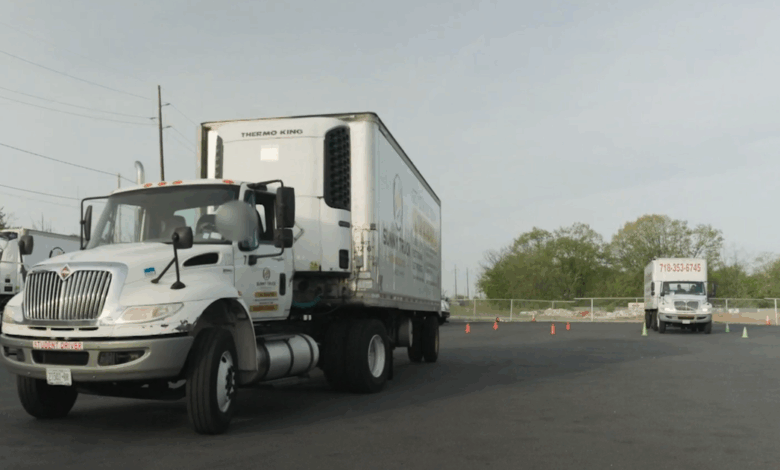
Jorge Badilla is not just a truck driver, he is a symbol of hope and redemption for the formerly incarcerated population in New York City. Every time he hits the road, he is not just driving a truck, he is driving towards a brighter future for himself and others like him.
The American Trucking Association reports that the industry is currently facing a shortage of about 60,000 drivers, creating a demand for skilled individuals like Badilla. At 48 years old, Badilla has found a new lease on life, after spending nearly a decade in federal prison for selling drugs in Queens. His journey from behind bars to behind the wheel is a testament to the power of second chances and the impact of innovative programs.
While in prison, Badilla earned his GED diploma, but upon release, he faced the harsh reality of limited job opportunities for ex-felons. Nationwide, the statistics are grim, with six out of every 10 formerly incarcerated people remaining jobless four years after release. This lack of employment often leads to recidivism, with close to 70% ending up back in prison, trapped in a cycle of criminality.
However, Badilla’s story took a different turn when he entered the Commercial Driver’s License Workforce Development Program, a partnership between the New York City Mayor’s Office of Criminal Justice and Emerge Career. This program trains low-risk formerly incarcerated individuals for trucking jobs, providing them with a commercial driver’s license and connecting them with trucking companies across the country.
Studies have shown that initiatives combining education and job training significantly reduce the likelihood of returning to prison, offering a path to economic stability and social reintegration. Deanna Logan, director of the Mayor’s Office for Criminal Justice, emphasizes the importance of providing opportunities for individuals who have paid their debt to society.
The trucking industry not only offers a promising career path for the formerly incarcerated but also addresses a critical need in the American supply chain. By equipping individuals like Badilla with the skills and support they need to succeed, these programs not only benefit the individuals themselves but also contribute to the economic growth of their communities.
Emerge Career co-founder Uzoma “Zo” Orchingwa believes in the potential of people coming out of prison and the transformative power of giving them a second chance. The success of the training program is evident in the high graduation rates and job placement outcomes, with participants finding not just employment but a sense of purpose and belonging.
For Badilla, the freedom he now experiences behind the wheel is akin to that of a bird soaring through the sky. His journey from incarceration to independence serves as a beacon of hope for others who may feel trapped by their past. With each mile he drives, Badilla is not just delivering goods, he is delivering a message of redemption and resilience to all who cross his path.