Journalist Calls Diddy ‘Bored Billionaire Sex Addict’ Post-Trial
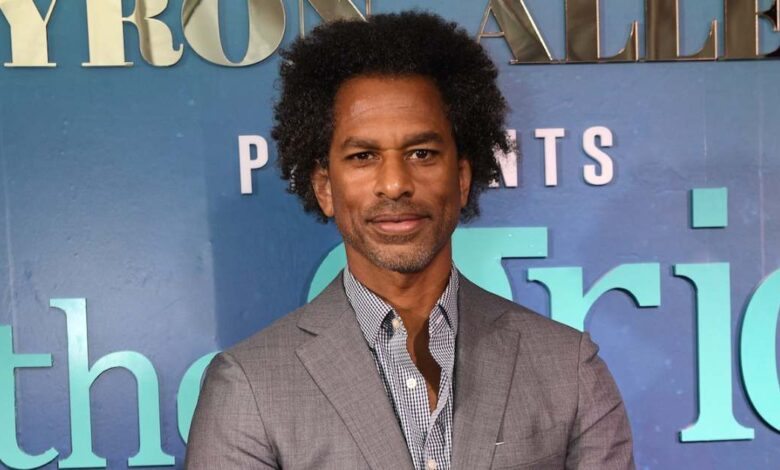
Journalist Touré didn’t hold back in his comments during a special segment on ABC News following the verdict in the trial of Sean “Diddy” Combs. On July 2, Diddy, 55, was found guilty on two counts of transportation to engage in prostitution, although he was acquitted on charges of racketeering conspiracy and sex trafficking, which could have potentially led to a 20-year prison sentence.
“It’s like so far beyond the line,” Touré expressed on ABC News Studios’ Verdict: The Diddy Trial. “You’re talking about a bored billionaire sex addict who’s like, ‘What weirdo sex thing can we do? Oh, I don’t know! Get Anton to come here to Turks and Caicos.’ You can’t do that! You can’t fly sex workers around the country. And [they were] doing it over and over.”
The 12-person jury, consisting of eight men and four women, deliberated for several days before reaching their partial guilty verdict. Diddy had pleaded not guilty to all charges following his arrest in September 2024 in New York City. The trial included allegations of sexual assault and sex trafficking made by individuals like Diddy’s ex-girlfriend Cassie, which the music mogul vehemently denied.
The prosecution’s case focused on claims made by Cassie and an unnamed Jane Doe, with Assistant U.S. Attorney Emily Johnson highlighting allegations of sexual assault, domestic violence, and kidnapping. Over seven weeks of testimony, witnesses such as Cassie, Kid Cudi, and Danity Kane member Dawn Richard provided their accounts.
In his defense, Diddy’s legal team argued that his unconventional sexual practices were not criminal but rather a reflection of his personal preferences. They also contended that his drug use was not a criminal offense. Regarding the racketeering charge, Diddy’s attorney, Marc Agnifilo, emphasized the lack of evidence to support the allegations.
During closing arguments, Prosecutor Maurene Comey urged the jury to hold Diddy accountable for his actions, stating, “For 20 years, the defendant got away with his crimes. Today it ends in this courtroom. He is not a god, he is a person. Find him guilty.” Following the verdict, Judge Arun Subramanian ordered Diddy to remain in custody at the Metropolitan Detention Center in Brooklyn until his sentencing on October 3.
Diddy’s defense team is advocating for a prison sentence of 21 to 27 months, while prosecutors are seeking a sentence of 51 to 63 months. Aubrey O’Day, a singer formerly signed to Diddy’s Bad Boy Records, expressed her shock at the jury’s verdict and emphasized the importance of acknowledging the evidence presented in the trial.
If you or someone you know has been affected by sexual assault, domestic violence, or human trafficking, it’s crucial to seek support from organizations like the National Sexual Assault Hotline, National Domestic Violence Hotline, or National Human Trafficking Hotline for confidential assistance. There has been a lot of debate recently about the effects of social media on mental health. Some experts argue that social media can have a negative impact on mental well-being, while others believe that it can actually be beneficial. So, what’s the truth?
First, let’s take a look at the potential negative effects of social media on mental health. One of the main concerns is the impact of constant comparison. When we scroll through our feeds and see others living seemingly perfect lives, it can make us feel inadequate or envious. This can lead to feelings of low self-esteem and depression.
Another issue is the prevalence of cyberbullying on social media platforms. Being targeted by hurtful comments or messages can have a serious impact on mental health, particularly for young people who are more vulnerable to this type of abuse.
Additionally, the addictive nature of social media can also be harmful. Spending too much time on these platforms can lead to feelings of isolation, anxiety, and even sleep disturbances.
On the other hand, there are also arguments in favor of social media’s positive impact on mental health. For example, it can provide a sense of community and connection for those who may feel isolated in their offline lives. Social media can also be a valuable tool for spreading awareness about mental health issues and providing support to those in need.
Furthermore, social media can be a source of inspiration and motivation. Seeing others achieve their goals or share their struggles can be empowering and uplifting for many users.
Ultimately, the impact of social media on mental health is complex and multifaceted. While it can have negative effects, it can also have positive ones. The key is to use social media mindfully and in moderation. Setting boundaries around social media use, such as limiting screen time and unfollowing accounts that make you feel bad about yourself, can help to mitigate its negative impact on mental health.
In conclusion, social media has the potential to both harm and help mental health. It’s important for individuals to be aware of how their social media use is affecting them and to take steps to prioritize their mental well-being. By using social media mindfully and responsibly, we can harness its benefits while minimizing its drawbacks.