JPMorgan Chase CEO Jamie Dimon says recession is still on the table for U.S.
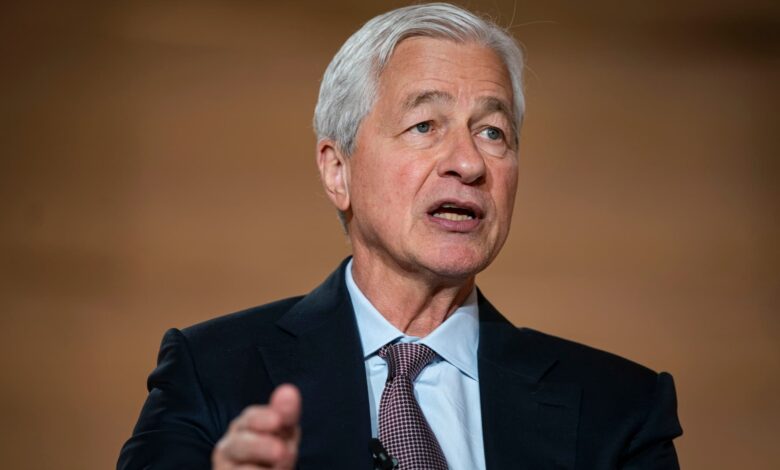
Wall Street giant Jamie Dimon, the CEO of JPMorgan Chase & Co., recently expressed concerns about the possibility of a recession in the United States. In an interview with Bloomberg Television, Dimon acknowledged that while the recent rollback of tariffs on China was a positive development, a recession is still a serious possibility.
Dimon emphasized that the likelihood of a recession is not off the table, despite the temporary truce between the U.S. and China on tariffs. He mentioned that JPMorgan Chase’s economists have indicated that recession odds are close to a toss-up, with the firm’s chief U.S. economist, Michael Feroli, stating that the recession outlook is “still elevated, but now below 50%.”
The CEO’s comments come in the wake of the U.S. and China’s announcement of a reduction in tariffs for 90 days, as well as a pause on tariffs with other nations. Dimon’s stance on the potential for a recession has shifted from his previous prediction before the tariff truce.
While Dimon acknowledged the positive impact of the tariff pauses on economic growth and market stability, he also highlighted the uncertainty that still exists in the trade landscape. He emphasized the importance of engaging in dialogue and de-escalating trade tensions to support economic growth.
Despite the temporary relief from tariffs, Dimon cautioned that the current import taxes on goods entering the U.S. remain significantly higher than they were in the previous year. He noted that these elevated tariffs could deter investment and prompt businesses to reconsider their strategies.
In conclusion, Dimon’s concerns about a potential recession underscore the ongoing economic uncertainties facing the U.S. economy. While the tariff truce with China may provide some relief, the long-term impact of trade tensions and import taxes remains a key area of concern for businesses and investors. It is crucial for policymakers to continue fostering dialogue and seeking resolutions to trade disputes to mitigate the risk of a recession and support sustainable economic growth.