JPMorgan says fintech middlemen like Plaid are ‘massively taxing’ its systems
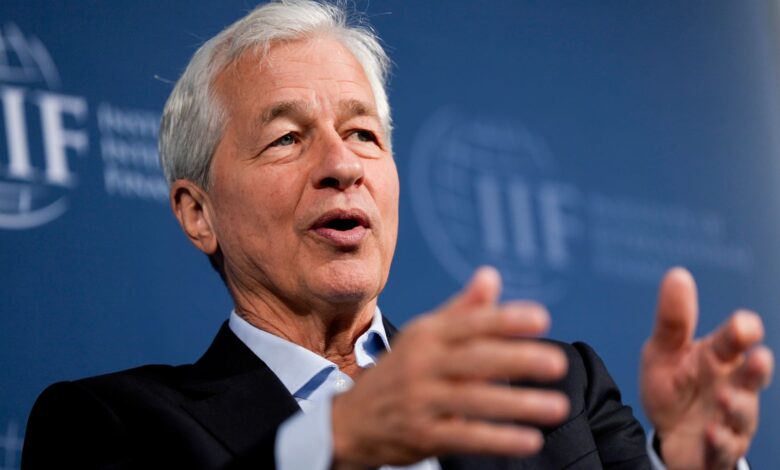
JPMorgan Chase, the largest bank in the United States, is facing a challenge from fintech middlemen who are overwhelming the bank’s systems with unnecessary data requests. These middlemen have played a crucial role in connecting new financial apps with traditional checking accounts, but their excessive data access is straining JPMorgan’s infrastructure.
According to an internal memo seen by CNBC, out of 1.89 billion data requests received by JPMorgan in June, only 13% were initiated by customers for actual transactions. The majority of requests were for purposes such as product improvement, fraud prevention, and data harvesting for sale. As a result, JPMorgan is now preparing to charge these middlemen new fees for access to their systems, citing the increasing costs of maintenance.
This move by JPMorgan could have significant implications for the fintech ecosystem, which has thrived on the free access to bank data provided by aggregators like Plaid and MX. The situation escalated after the Consumer Financial Protection Bureau supported a banking industry lawsuit to end the “open banking” rule, which mandated free data access for authorized parties.
The surge in volumes of API calls received by JPMorgan has led to higher fraud claims linked to payments made through middlemen. Transactions involving electronic ACH transfers were 69% more likely to result in fraud if they involved data aggregators. JPMorgan has already experienced $50 million in fraud claims from ACH transactions initiated through aggregators, a number expected to triple within five years.
Plaid, one of the largest players in the data access space, defended its practices, stating that all activity begins with customer permission. The company argued that calling a bank’s API when a user is not present is a standard industry practice for providing alerts and notifications to consumers. Plaid also disputed JPMorgan’s claims of higher fraud among aggregators, calling them misleading.
Negotiations between JPMorgan and the middlemen are ongoing, with proposed fee schedules potentially costing companies like Plaid up to $300 million in new annual fees. The outcome of these discussions will shape the future of data access in the financial industry, as both sides seek to find a balance that is acceptable to all parties involved.
Overall, the clash between JPMorgan and fintech middlemen highlights the challenges and complexities of data sharing in the digital age. As the industry continues to evolve, finding common ground on data access and security will be essential for fostering innovation and ensuring consumer protection.