Judge orders HHS to restore $12 million in funding to AAP
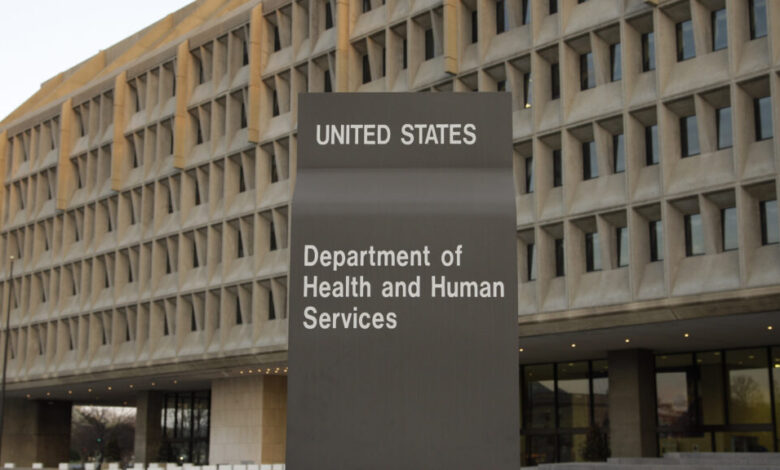
In a recent development, a federal judge has ruled in favor of the American Academy of Pediatrics (AAP), ordering the Trump administration to restore nearly $12 million in funding to the organization. The funding includes support for crucial programs such as rural health care and early identification of disabilities in young children.
U.S. District Judge Beryl Howell issued a preliminary injunction, stating that there was evidence to suggest that the U.S. Department of Health and Human Services (HHS) had a “retaliatory motive” when it terminated grants to AAP in December. The decision highlighted the importance of ensuring that the federal government does not stifle public health policy debate by targeting organizations dedicated to improving children’s health.
The grants that were cut in December supported various public health initiatives, including efforts to prevent sudden unexpected infant death, enhance pediatric care in rural areas, and assist teenagers dealing with substance use and mental health issues. AAP alleged that the funding cuts were made in response to the organization’s outspoken criticism of the Trump administration’s policies and actions. However, HHS claimed that the grants were terminated because they no longer aligned with the department’s priorities.
AAP has been a vocal advocate for pediatric vaccines and has clashed with HHS over vaccination recommendations. The organization has also expressed support for gender-affirming care and has criticized HHS for interfering in the doctor-patient relationship on this issue. The judge’s decision emphasized the potential harm that AAP could suffer from the funding cuts and highlighted the public interest in allowing the organization’s programs to continue.
Skye Perryman, president and CEO of Democracy Forward, which is representing AAP in the lawsuit, welcomed the ruling as a victory for public health and the freedom of doctors to advocate for their patients. The spokesperson for HHS and attorneys representing the department declined to comment on the ruling.
In conclusion, the court’s decision to reinstate funding to AAP underscores the importance of supporting organizations that work to improve children’s health. It also serves as a reminder that public health initiatives should not be subject to political retribution. The ruling is a step towards ensuring that critical programs continue to serve communities in need.