Judge tosses indictments against James Comey and Letitia James
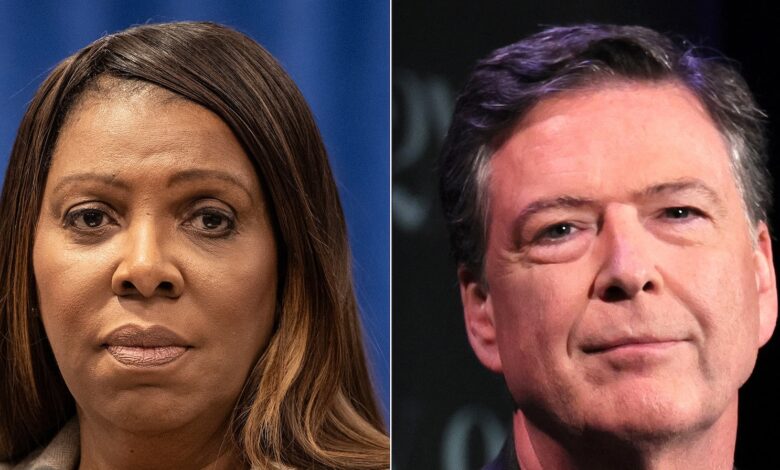
A recent ruling by a federal judge has resulted in the dismissal of criminal cases against former FBI Director James Comey and New York Attorney General Letitia James. The judge cited the invalid appointment of U.S. Attorney Lindsey Halligan as the basis for dismissing the charges. The cases were dismissed without prejudice, leaving open the possibility of them being refiled by a properly appointed U.S. attorney.
U.S. District Judge Cameron McGowan Currie determined that Halligan’s appointment was unconstitutional, rendering her actions in bringing the case against Comey and James unlawful and ineffective. This decision came after Halligan, who lacked experience as a prosecutor, sought the indictment of Comey and James at the behest of President Donald Trump, who had called for their prosecution on social media.
Comey, who had pleaded not guilty to charges of false statements and obstruction of a congressional proceeding, was part of what critics described as Trump’s campaign of retribution against his political opponents. Meanwhile, James faced charges related to mortgage fraud, which she denied, stating that she had purchased a property for her great-niece.
Following the judge’s ruling, James expressed gratitude for the support she had received and vowed to continue fighting for the people of New York. The statute of limitations for Comey’s case is nearing expiration, raising questions about the possibility of it being refiled in time. In contrast, the allegations against James fall within the statute of limitations, allowing the Department of Justice to potentially pursue the case again.
The ruling also highlighted the issue of interim appointments of U.S. attorneys, with the judge emphasizing that the appointment power shifts from the attorney general to the judges in the district after a certain period. In this case, the appointment of Halligan was deemed invalid as it did not adhere to the established legal procedures.
Moving forward, the decision of who will lead the U.S. Attorney’s Office in Eastern Virginia rests with the judges in that district until a permanent U.S. attorney is nominated by the president and confirmed by the Senate. This ruling underscores the importance of upholding legal processes and ensuring that appointments are made in accordance with the law to maintain the integrity of the justice system.