Judge’s chilling premonition over NYC fatal subway beating maniac’s ‘increasing behavior’ revealed
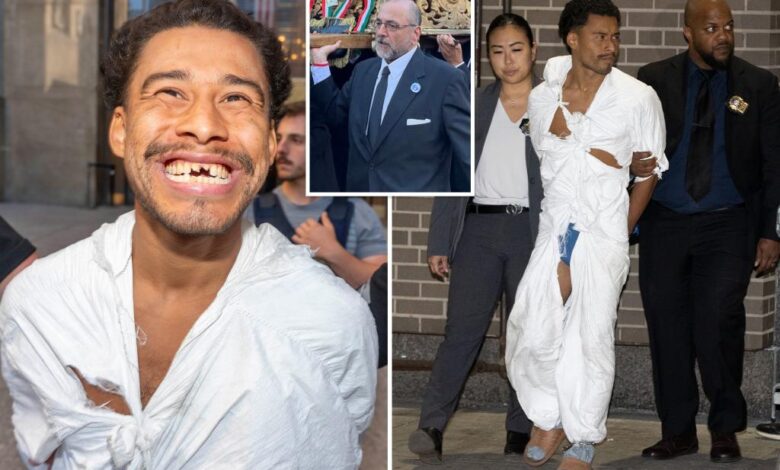
A tragic turn of events unfolded as David Mazariegos, 25, allegedly beat a security guard to death outside a Brooklyn subway station, just months after a judge foresaw his escalating violence in a previous assault case. The chilling premonition by Manhattan Judge Robert Rosenthal came to light in a transcript from a July hearing, where prosecutors were unable to secure a felony assault charge against Mazariegos.
Despite the judge’s concerns about the increasing severity of Mazariegos’ charges, his bail was reluctantly lowered to $1,000 in the assault case. This decision ultimately led to Mazariegos’ release and the tragic incident that occurred outside the Jay Street-MetroTech station.
The failure to keep Mazariegos behind bars has sparked controversy, with some blaming Manhattan District Attorney Alvin Bragg’s policies and the state’s bail reforms for the release. Diana Florence, who is running to replace Bragg, argued that Tuesday’s tragedy was preventable and that Nicola Tanzi did not have to die.
Prosecutors had initially sought a felony assault charge against Mazariegos after he allegedly sucker punched a security guard outside a theater in Chelsea. Despite his lengthy criminal record consisting of mostly petty offenses, Mazariegos’ charge was reduced to a misdemeanor due to the victim’s injuries not being severe enough to secure a felony indictment.
Mazariegos’ attorney argued for supervised release, citing his client’s involvement in art projects and community organizations aimed at turning his life around. However, Judge Julieta Lozano set bail at $2,500 cash, which was eventually posted a few days later.
Following his release, Mazariegos was arrested again for jumping on top of a car in the Bronx and shattering its windshield while yelling erratically. This was his last arrest before the fatal beating of Nicola Tanzi, for which he now faces a murder charge.
The tragic events surrounding David Mazariegos serve as a stark reminder of the complexities surrounding bail decisions and the potential consequences of releasing individuals with a history of escalating violence. As the case unfolds, questions arise about the balance between rehabilitation efforts and public safety in the criminal justice system.