Judges skeptical of Trump using emergency powers for tariff spree
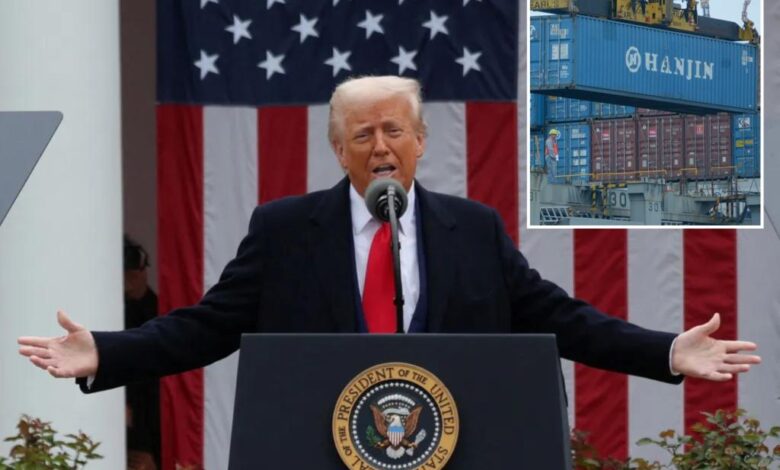
The Trump administration’s use of emergency powers to impose reciprocal tariffs on numerous countries has sparked a contentious legal battle that reached a crescendo in a recent hearing before the US Court of Appeals for the Federal Circuit. The panel of 11 judges grilled Assistant US Attorney General Brett Shumate with tough questions about the rationale behind declaring the trade deficit a national emergency, especially considering its long-standing nature.
Shumate defended the administration’s actions by pointing to recent widening of the trade gap and arguing that presidents have broad authority to levy tariffs, citing a 1975 court decision that allowed former President Richard Nixon to implement tariffs to combat inflation. However, some judges expressed skepticism about this interpretation, noting that the International Emergency Economic Powers Act (IEEPA) used by Trump to impose tariffs does not explicitly mention tariffs.
The court hearing comes on the heels of a decision by the US Court of International Trade that struck down most of the president’s tariffs, prompting the administration to challenge the ruling. The crux of the issue lies in Trump’s use of the IEEPA to impose tariffs without congressional approval, a move that has never been attempted before.
A coalition of states and businesses have brought the case to court, arguing that the president’s tariff regime could have devastating consequences if allowed to proceed unchecked. Former solicitor general Neal Katyal warned of the far-reaching implications of giving the president unchecked power to impose tariffs under the guise of an emergency declaration.
Trump, for his part, has emphasized the importance of tariffs in protecting the country’s economic interests and has warned that a ruling against his trade agenda could be catastrophic. The outcome of the case, titled V.O.S. Selections v. Trump, is uncertain but is likely to be appealed to the Supreme Court regardless of the appellate court’s decision.
Since announcing a series of tariff rates in April, Trump has implemented a blanket 10% duty on all imports while negotiating trade deals with major trading partners like the EU, UK, Vietnam, and Japan. The outcome of this legal battle will have far-reaching implications for the president’s trade policy agenda and could set a precedent for future executive actions in the realm of international trade.