Keith Olbermann pours cold water on claims Colbert was fired for political reasons
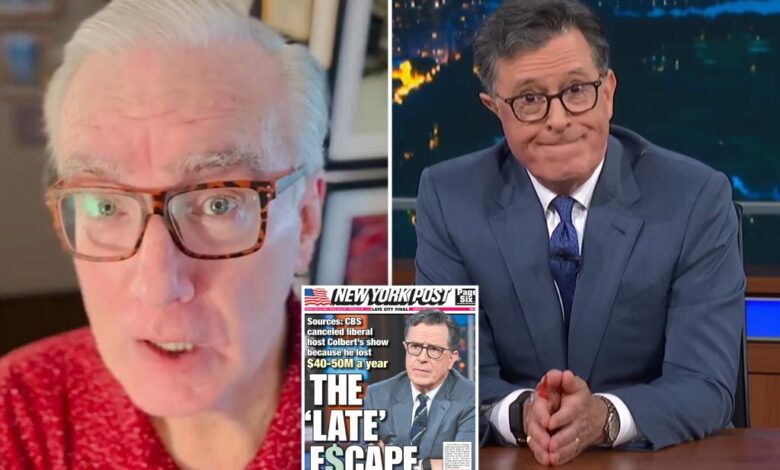
Ex-MSNBC host Keith Olbermann has recently shared his thoughts on the cancellation of Stephen Colbert’s show on CBS, debunking the theory that it was politically motivated due to Colbert’s criticism of Trump. Olbermann clarified that if political reasons were the cause, CBS would not have kept Colbert on until May 2026.
The announcement of the cancellation of “The Late Show with Stephen Colbert” came as a surprise to many, as the show has been a staple for over 30 years, previously hosted by David Letterman from 1992-2015. Despite speculation from some that Colbert’s firing was a sign of fascism in the United States, Olbermann dismissed these claims.
Following CBS’s announcement, several left-wing politicians and journalists voiced their concerns, suggesting that Colbert’s termination was politically motivated to appease White House officials amidst a pending merger between CBS’ parent company Paramount and Skydance. Senator Bernie Sanders and Representative Adam Schiff both raised questions about the timing of Colbert’s firing in relation to the network’s dealings with President Trump.
CBS stated that the cancellation of “The Late Show” was due to financial reasons, citing a reported loss of $40 million a year. Despite Colbert’s popularity and high viewership numbers, overall late-night talk show viewership has been on the decline in recent years, leading to a decrease in ad revenues for networks.
Colbert, known for his highly partisan and Trump-critical approach on the show, took over the hosting duties from Letterman after the success of his show “The Colbert Report” on Comedy Central. His outspoken criticism of Trump and celebration of Joe Biden’s victory in the 2020 election have been defining moments on the show.
As the speculation continues about the true reasons behind Colbert’s cancellation, CBS has yet to provide further clarification on the matter. The late-night landscape will undoubtedly see a shift with Colbert’s departure, leaving fans and critics alike to ponder the future of late-night television.