Kennedy packed autism advisory council with skeptics, critics say
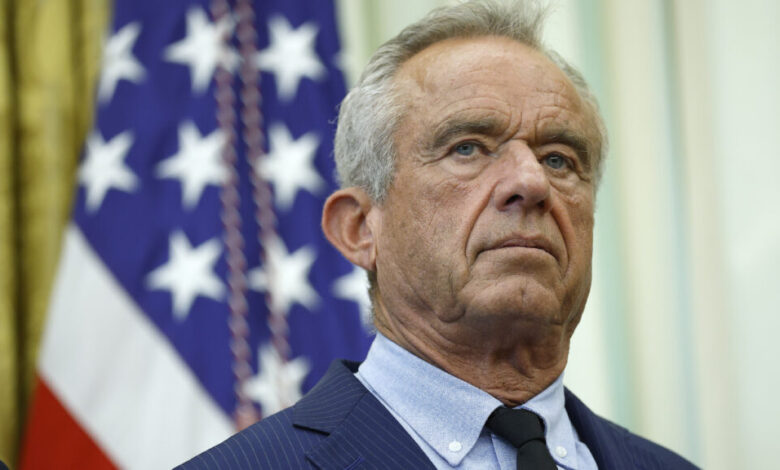
The Department of Health and Human Services has recently appointed 21 new members to the Interagency Autism Coordinating Committee, which advises health secretary Robert F. Kennedy Jr. on autism. However, the announcement has raised concerns within the autism community due to the composition of the new committee members.
Many of the new members of the committee have expressed beliefs in the debunked claim that vaccines can cause autism. This has led to worries that the committee is being reshaped to support Kennedy’s vaccine agenda, rather than focusing on evidence-based research and advocacy for the autism community. Notably, mainstream autism research and advocacy organizations like Autism Speaks and the Simons Foundation are missing from the newly constituted committee.
The lack of representation from established autism scientists and the prevalence of members from fringe groups promoting outdated treatments and causes of autism are particularly concerning. The shift in the committee’s composition reflects Kennedy’s branding of autism as an “epidemic” and his directive to find the cause of the condition to “end” it, despite autism being primarily genetic in origin.
The new committee members, many of whom have little scientific training, will be tasked with sorting through thousands of research papers to highlight the most important findings for health officials, Congress, and the general public. This task is made more challenging by the absence of any members from the previous group, which was composed of researchers with diverse expertise.
The committee, originally established to guide federal and private autism research, now includes organizations focused on advocacy rather than funding research. Parents of children with autism have been offered more seats than scientists studying the condition, with some members having backgrounds in treating unrelated disorders like PANDAS.
Critics have voiced concerns that the committee’s narrow ideological agenda and lack of scientific rigor will impede scientific progress, distort research priorities, and ultimately harm individuals with autism and their support systems. The absence of scientists compared to previous iterations of the committee is seen as a significant drawback in preparing the annual report on important autism research.
Despite the controversy surrounding the new committee members, an HHS spokesperson has disputed claims of secret meetings and assured that the first public meeting will be announced in advance. The federal members of the committee have yet to be announced, but the 21 new public members have been listed, each with their respective backgrounds and affiliations.
In conclusion, the reshaping of the Interagency Autism Coordinating Committee has raised concerns about the direction of autism advocacy and research under Kennedy’s leadership. The lack of scientific expertise and emphasis on vaccine skepticism among the new members have sparked worries about the committee’s ability to effectively serve the autism community.