Kennedy, Trump administration roll out faith-linked addiction push
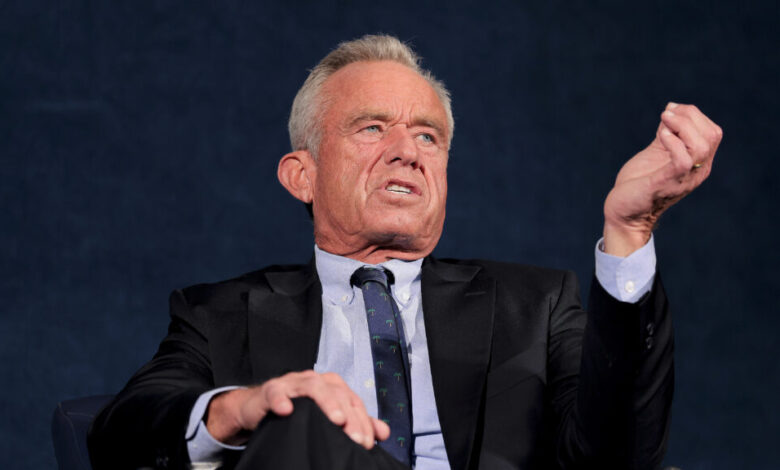
Health Secretary Robert F. Kennedy Jr. recently addressed the nation’s addiction and substance use epidemic, emphasizing the need to combat the “spiritual malaise” that plagues communities across the country. In a groundbreaking initiative, Kennedy unveiled plans to bring together government agencies and recovery organizations to tackle the crisis head-on.
The newly announced program includes a focus on addressing homelessness and involving religious organizations in the government’s response to addiction. Kennedy highlighted the importance of aligning government, nonprofits, and the private sector to provide high-quality care and support long-term recovery for individuals struggling with addiction.
Acknowledging addiction as a chronic disease with physical, mental, emotional, and spiritual components, Kennedy emphasized the role of faith-based organizations in helping individuals reconnect with their communities. He announced a forthcoming tour to engage with recovery organizations, including those with a faith-based approach, to gather input and insights for the initiative.
Drawing from his personal experience in long-term recovery, Kennedy is a strong advocate for 12-step programs like Alcoholics Anonymous. He plans to visit drug courts, sober living facilities, and other recovery centers as part of his commitment to addressing the addiction crisis.
In addition to the community engagement efforts, the administration introduced a program to enhance access to medications for opioid use disorder and provide support to parents battling addiction to prevent child removals. The administration also unveiled the STREETS initiative, which aims to connect individuals experiencing homelessness with a comprehensive range of services, including law enforcement, counseling, housing support, and medical care, to facilitate their journey towards recovery.
Despite the positive steps taken by the administration, concerns remain about the funding sources for these programs and the impact of recent policy changes in the addiction treatment landscape. The administration’s shift away from harm reduction strategies and towards a more recovery-focused approach has sparked debate within the addiction treatment community.
Kennedy’s efforts were supported by his cousin, former Congressman Patrick Kennedy, who also advocates for mental health and addiction treatment equality. The administration also enlisted the expertise of Mehmet Oz, Administrator of the Centers for Medicare and Medicaid Services, and Tom Koutsoumpas, a health policy expert.
In his remarks, Kennedy highlighted the need to realign incentives in the addiction treatment industry to prioritize long-term recovery over profit. He expressed hope that by the end of his term, significant progress would be made in changing public attitudes towards addiction treatment and developing outcome-based care models.
As the nation continues to grapple with the addiction crisis, initiatives like those proposed by Secretary Kennedy aim to provide a holistic and integrated approach to addressing the root causes of substance use disorders and supporting individuals on their path to recovery.