Kevin Hassett pivots to possible ‘Trump cards’ amid credit card battle
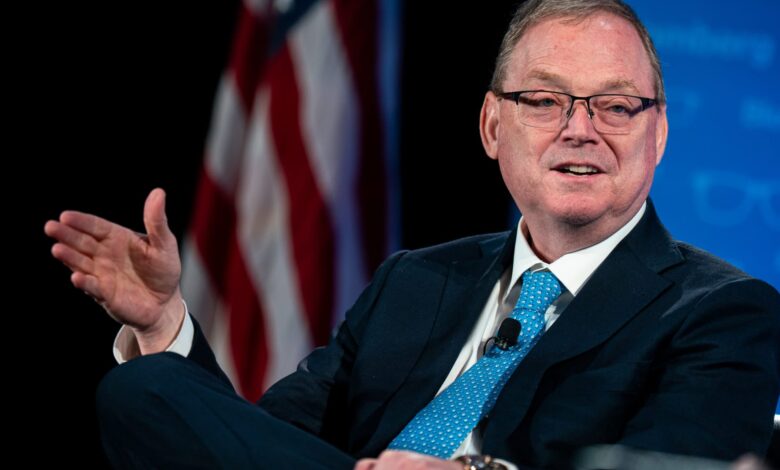
White House economic advisor Kevin Hassett recently proposed a new plan aimed at providing credit cards to underserved Americans in response to President Donald Trump’s affordability push. This comes after Trump’s call for banks to cap credit card interest rates at 10%, a suggestion that has faced opposition from industry executives and lobbyists.
Hassett, the director of the National Economic Council, suggested that large U.S. banks could voluntarily offer credit cards to consumers who lack access to credit but have the income to support credit lines. He emphasized the importance of targeting individuals who have the financial stability to handle credit but are currently excluded from traditional banking services.
In a recent interview with Fox Business host Maria Bartiromo, Hassett explained that banks could introduce new “Trump cards” for these underserved individuals without the need for legislation. This shift in strategy indicates a more focused approach to addressing financial inclusion without imposing drastic industry-wide changes.
The administration’s willingness to engage with big bank CEOs on this issue suggests a collaborative effort to explore innovative solutions. However, some industry representatives have not yet been involved in discussions regarding the proposed “Trump card” concept.
While Trump’s initial call for a 10% interest rate cap faced pushback from banks threatening to close accounts instead of complying, Hassett’s proposal offers a more targeted and voluntary approach to expanding credit access. By working with financial institutions to provide tailored solutions for underserved populations, the administration aims to promote financial inclusion and stimulate economic growth.
In conclusion, Kevin Hassett’s proposal for voluntary credit card offerings to underserved Americans demonstrates a strategic shift in addressing financial accessibility. By collaborating with banks to introduce specialized credit solutions, the administration seeks to empower individuals with limited credit access while avoiding potential legislative challenges. This proactive approach highlights the importance of financial inclusion in promoting economic stability and prosperity.