King Tut’s Curse Might Kill Leukemia
This week’s edition of The Prototype brings exciting developments in the fields of science and technology. From cancer-killing fungi to robotic surgery for cataracts, and genetically modified bacteria that can turn plastic into Tylenol, there are groundbreaking innovations happening all around us.
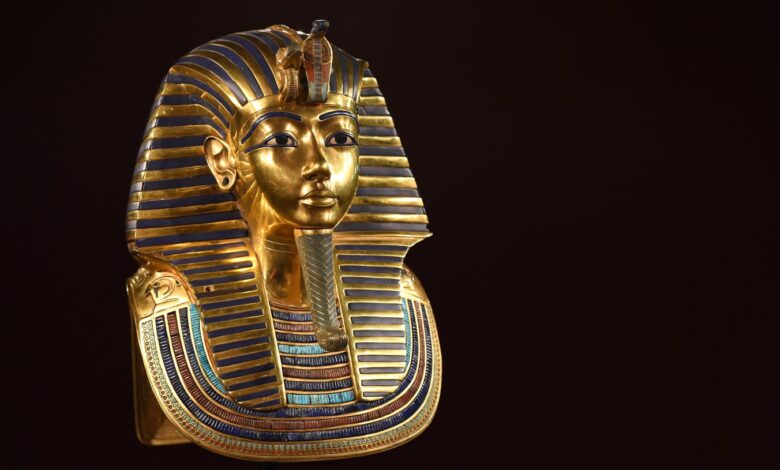
The discovery of chemical compounds in the toxic fungus aspergillus that show anti-cancer properties is a promising step towards potential leukemia treatments. Scientists have found that when purified and combined with a fatty molecule, these compounds exhibit cancer-fighting activity similar to existing drugs. Further testing on animals is planned, with the hope of eventually using these chemicals to treat human cancer patients.
In the world of robotics, ForSight Robotics is revolutionizing cataract surgery with its robotic surgery platform, Oryom. With a recent $125 million investment, the company aims to make cataract surgeries more accessible and efficient by utilizing robotics technology. The success of ForSight’s robotic surgery on pig eyes and plans for human trials later this year signal a new era in ophthalmic surgery.
On the environmental front, researchers at the University of Edinburgh have genetically engineered bacteria that can convert waste plastic into an ingredient used in acetaminophen. This innovative approach not only offers a sustainable method for producing the painkiller but also reduces energy consumption compared to traditional methods. Pharmaceutical companies like AstraZeneca are backing this research, paving the way for a greener pharmaceutical industry.
In space exploration, the Vera C. Rubin observatory has released its first images of space, capturing high-resolution images of a cluster of galaxies in the constellation Virgo. Equipped with a state-of-the-art digital camera and telescope, the observatory is set to monitor changes in the sky and provide valuable insights into the universe.
In other news, NASA’s James Webb Space Telescope has discovered a new planet outside the solar system, Waymo’s self-driving taxis are now operating in Atlanta, and SpaceX has launched its fourth mission with Axiom Space to the International Space Station. These advancements in science and technology continue to push the boundaries of human knowledge and exploration.
For more updates and insights, be sure to check out InnovationRx for the latest in health and technology trends. And remember, sometimes the key to learning a new task is to take a break and let your mind wander – productivity can sometimes come from moments of unproductivity.
As we navigate through these exciting developments, let’s stay curious and open to the possibilities that science and technology have to offer. The future is bright, and with each new discovery, we move closer to a world of endless possibilities.