Kraft Heinz Earnings Preview: What to Expect
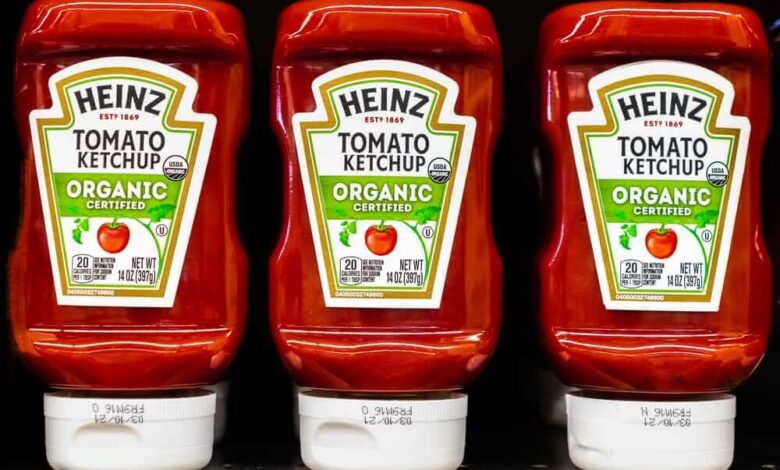
The Kraft Heinz Company, based in Pittsburgh, Pennsylvania, is a prominent player in the global food and beverage industry. Established in 2015 following the merger of Kraft Foods and H.J. Heinz, the company boasts a market capitalization of $30.2 billion. It is renowned for its portfolio of iconic brands such as Kraft, Heinz, Oscar Mayer, and Philadelphia, offering a wide range of products spanning condiments, cheese, snacks, and packaged meals.
The company is set to announce its fiscal third-quarter earnings for 2025 on Wednesday, Oct. 29. Analysts are anticipating a profit of $0.57 per share on a diluted basis, reflecting a 24% decline from the year-ago quarter’s $0.75 per share. Despite this projected decrease, Kraft Heinz has consistently exceeded Wall Street’s earnings per share estimates in its previous four quarterly reports.
For the current fiscal year, analysts expect the company to report earnings per share of $2.57, down 16% from the previous year’s $3.06. However, there is optimism for a 2% year-over-year increase to $2.62 in fiscal 2026.
Over the past year, Kraft Heinz has faced challenges, with its shares declining by 29%. This significant drop lags behind the S&P 500 Index’s 14.1% gain and underperforms the Consumer Staples Select Sector SPDR Fund’s 2.8% decrease.
The company has been grappling with a decline in organic sales and revenue, as well as margin contraction. Despite these challenges, Kraft Heinz managed to surpass analyst expectations with adjusted earnings per share of $0.69 in the second quarter.
Analysts’ consensus on Kraft Heinz stock remains cautious, with a majority recommending a “Hold” rating. The average analyst price target stands at $28.24, suggesting a potential upside of 10.7% from current levels.
In conclusion, Kraft Heinz continues to navigate through a challenging operating environment, marked by evolving consumer preferences and intensifying competition. The company’s ability to innovate and adapt to changing market dynamics will be crucial in driving future growth and shareholder value.