Kraft Heinz pauses work to split the company as new CEO says ‘challenges are fixable’
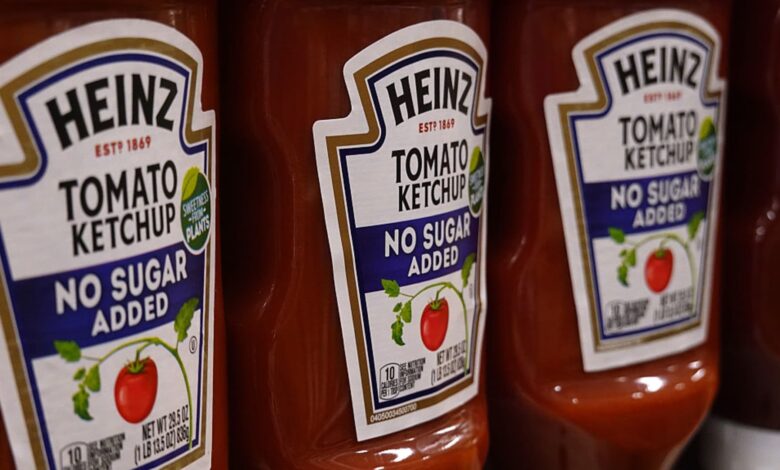
Kraft Heinz made headlines in September 2025 with its decision to split into two separate companies, a move that reversed the 2015 megamerger orchestrated by billionaire investor Warren Buffett.
Justin Sullivan | Getty Images News | Getty Images
Kraft Heinz recently announced that it is putting a hold on its plans to split the company.
The company’s shares dropped by 6% in premarket trading following this announcement.
CEO Steve Cahillane, who took the helm at Kraft Heinz in January, emphasized that many of the company’s challenges can be resolved internally.
“My primary focus is to drive profitable growth by ensuring that all resources are dedicated to the execution of our operational strategy,” he stated. “Therefore, we have decided to pause the separation process to avoid incurring additional costs this year.”
Kraft Heinz is also investing $600 million to revitalize its U.S. operations, with a focus on marketing, sales, and research and development. Cahillane highlighted that the investment will enhance product quality and pricing strategies.
In a surprising move, the company had initially announced its plans to split, undoing a significant $46 billion merger from a decade ago that formed one of the largest food conglomerates globally.
Despite the initial optimism surrounding the merger, Kraft Heinz faced declining U.S. sales and had to write down the value of several well-known brands, including Oscar Mayer and Maxwell House. The company has been striving to turn around its U.S. business for the past six years.
Warren Buffett, a key player in the original merger, expressed disappointment over the decision to split. Berkshire Hathaway has begun the process of divesting its 28% stake in Kraft Heinz.
Last December, Kraft Heinz appointed Cahillane as CEO. He previously led Kellogg through a similar breakup and later oversaw the spinoff of Kellanova before its acquisition by Mars.
Alongside the announcement, Kraft Heinz also reported its quarterly results before the market opened. While the company exceeded earnings expectations, its quarterly revenue fell short of analysts’ forecasts.