LA couple spent $2K on emergency vet fees after their dog ingested meth in an alley. How some pet owners keep costs down
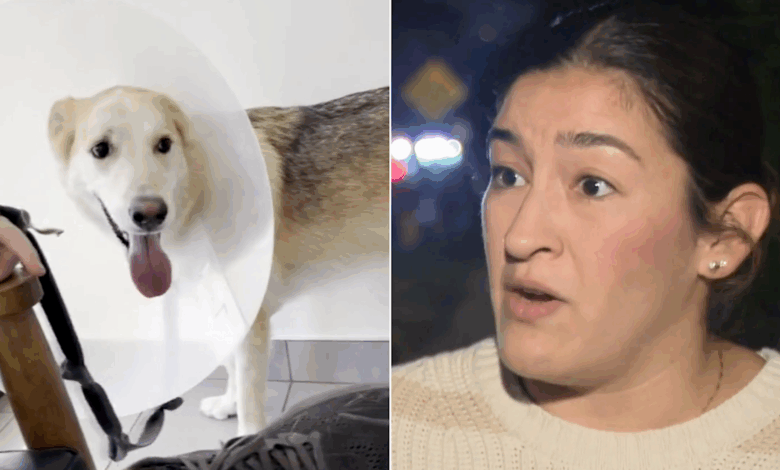
A couple in North Hollywood is raising awareness for pet owners after their husky-shepherd mix fell ill from what they believe to be something it ingested in the alley behind their home.
Karla Vicuña shared with CBS News that her dog, Atreyu, began behaving strangely after a morning walk. Concerned for Atreyu, Vicuña and her husband hurried the dog to the vet, where he tested positive for methamphetamines.
“The doctor expressed gratitude that we arrived quickly because Atreyu could have had a seizure,” Vicuña said. “His heart rate was off the charts, and he had a fever.”
Unfortunately, incidents of pets ingesting illegal substances are not uncommon in California. A study from the California Animal Health and Food Safety Lab System in 2023 identified amphetamines and marijuana as two of the top 20 toxins inquired about by pet owners when calling the pet poison hotline.
In Santa Monica, residents have reported seeing flyers advising pet owners to carry Narcan while walking their pets. These flyers warn that narcotic residue found in human feces on the street can be fatal if animals ingest it.
Vicuña and her husband faced a 12-hour emergency vet visit for Atreyu, resulting in a $2,000 charge. With the rising costs of veterinary care, more Americans are turning to pet insurance to ensure their pets’ well-being. In 2024, over 6.4 million dogs and cats in the U.S. were covered by insurance, marking a nearly 13% increase from the previous year.
However, pet insurance is considered a luxury by many pet owners who struggle to afford it. According to a study by PetSmart Charities and Gallup, over half of U.S. pet owners have skipped necessary veterinary care in the past year due to financial constraints.
Vet costs have increased by over 60% since 2014, with routine checkups costing between $70-$174 for dogs and $53-$124 for cats. Surgeries and unexpected vet expenses can be much costlier, with short hospitalizations ranging from $600 to $1,700 and emergency surgeries costing between $1,500 to $5,000.
When considering pet insurance, there are three main types: accident-only, accident and illness, and wellness plans. Most policies cover emergency surgeries and cancer treatment but may not include pre-existing conditions.
Choosing the right policy involves selecting a deductible, reimbursement percentage, annual limit, and any add-ons. The average annual premium for accident and illness coverage is around $749 for dogs and $386 for cats, while accident-only policies cost $193 for dogs and $110 for cats.
It’s essential to have enough set aside to cover deductibles, as well as any expenses exceeding the annual limit. Pet insurance may not cover pre-existing conditions or certain breeds with known health issues.
If pet insurance isn’t feasible, setting aside funds in a high-interest savings account can help cover unexpected vet costs. It’s crucial to consider whether a hefty vet bill would cause financial strain and explore alternative payment options with vets or financing companies.
Ultimately, the decision to purchase pet insurance should be based on your pet’s needs and your financial situation. Conduct thorough research, read the fine print, and prioritize both your pet’s health and your financial well-being.