Labor Department looking to lighten workplace regulation with sweeping rules changes and repeals
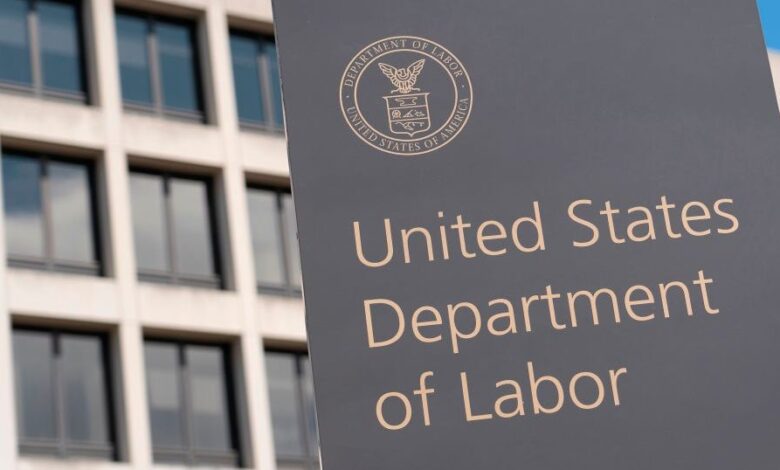
The U.S. Department of Labor recently announced plans to overhaul more than 60 outdated workplace regulations in an effort to reduce burdensome rules and promote economic growth. The proposed changes, if approved, would impact a wide range of industries, from home health care and construction to mining and entertainment.
One of the most controversial proposals involves revising the regulations for home health care workers, potentially allowing them to be paid below the federal minimum wage and exempt from overtime pay. Critics argue that this could put workers, especially women and minority groups, at greater risk of exploitation and harm. On the other hand, some groups, like the Independent Women’s Forum, support the changes, citing benefits for women balancing work and caregiving responsibilities.
In the agricultural sector, the Labor Department is looking to roll back protections for migrant farmworkers, including requirements for seat belts in transportation and safeguards against retaliation for filing complaints. While some industry representatives welcome the deregulation efforts, worker advocates are concerned about the potential impact on worker safety and rights.
In the construction industry, the Occupational Safety and Health Administration (OSHA) is considering rescinding a lighting requirement at construction sites, which critics argue could increase the risk of accidents and fatalities. OSHA’s proposal to limit the application of the general duty clause to certain inherently risky activities in professional, athletic, or entertainment occupations has also raised concerns about worker safety.
In the mining sector, the Labor Department is seeking to limit the authority of district managers to enforce safety procedures and training programs in mines. Critics argue that this could weaken safety regulations and put miners at greater risk of accidents and injuries.
Overall, the proposed changes have sparked a heated debate between industry representatives, worker advocates, and government officials. The public comment period for each proposal will play a crucial role in shaping the final outcome. It remains to be seen how these regulatory reforms will impact the workforce and workplace safety in the coming years.