Leadership shakeup at RFK Jr.’s health department ahead of midterms
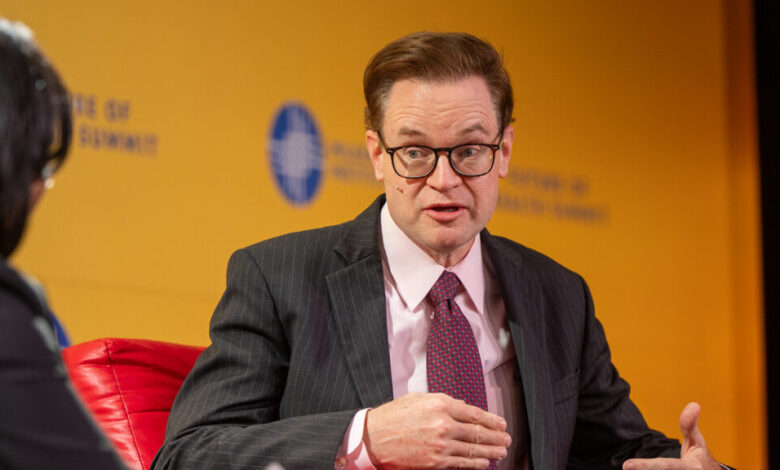
The Department of Health and Human Services is undergoing a shakeup as two top health officials, Deputy Secretary Jim O’Neill and General Counsel Mike Stuart, are leaving their positions. This move comes as part of a broader effort to refocus HHS on key aspects of Health Secretary Robert F. Kennedy Jr.’s agenda in preparation for the upcoming midterm elections.
The changes at HHS are aimed at addressing issues of dysfunction within the agency, which have been linked to poor management. The new leadership, trusted by top administration officials, is expected to bring stability and address the chaos that has characterized the department during a period of significant change.
The MAHA movement, a key player in the midterm elections, has been advocating for a focus on health policy issues that resonate with voters. As a result, the White House has directed HHS to prioritize areas such as drug pricing and food safety, which are less divisive than some of the more controversial policies pushed by Secretary Kennedy.
The departure of Jim O’Neill adds to the leadership turnover at the Centers for Disease Control and Prevention (CDC). O’Neill, who had been serving as acting director of the CDC, has been involved in initiatives related to vaccine policy changes and investigations into alleged Medicaid fraud cases.
Mike Stuart, the departing General Counsel, played a significant role in efforts to combat fraud in federal health care programs. He had also initiated investigations into gender-affirming care practices in certain states. Other staffing changes include the appointment of Chris Klomp as chief counselor at HHS, overseeing all department operations and playing a key role in the push to lower drug prices.
The White House has emphasized the importance of focusing on food policy and praised HHS for its achievements in promoting dietary guidance through initiatives like the “Eat Real Food” campaign. The department has also made strides in collaborating with key stakeholders, including a recent meeting with Senate Republicans on drug pricing legislation.
Amidst the changes at HHS, uncertainty looms at the CDC, which has seen limited leadership stability. The recent swearing-in of Ralph Abraham as principal deputy director has brought some stability, but ongoing challenges such as the spread of measles raise concerns about the agency’s ability to address public health threats effectively.
Overall, the reshaping of HHS reflects a broader effort to align the department’s priorities with the political agenda of the current administration. The focus on popular health policy issues and the appointment of new leadership signal a strategic shift towards addressing key voter concerns ahead of the midterm elections.