Louis Theroux on Capturing Reality of Israeli Settlements
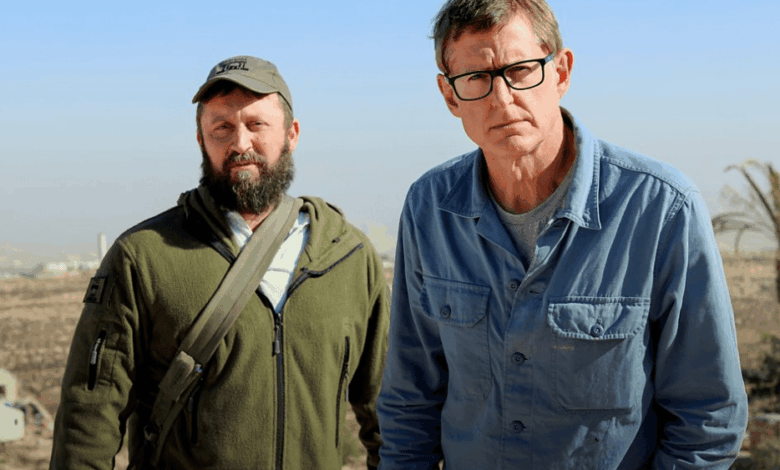
Theroux’s return to the region to explore the Israeli settler movement in “The Settlers” sheds light on the escalating situation in the West Bank. The documentary captures the intensity of the conflict and the beliefs of ultra-nationalist Jewish settlers who see it as their duty to populate the region. Theroux, known for his exploration of human behavior, delves into the controversial topic of settler violence and the push for Israeli occupation of the West Bank.
One of the key figures in the documentary is Daniella Weiss, a prominent Israeli politician and founder of the settler organization Nachala. Weiss is portrayed as a staunch advocate for Israeli settlements in the West Bank, justifying the occupation and promoting Palestinian relocation. Her bold statements and close ties to Israeli Prime Minister Benjamin Netanyahu showcase the influence and determination of the settler movement.
Theroux’s portrayal of Weiss and other Israeli interviewees highlights the complexities and controversies surrounding the settler movement. The documentary captures the fervor and conviction of those involved, as well as the criticism and scrutiny they face from the international community. The inclusion of Palestinian perspectives in the film is brief but acknowledges the imbalance in focus, with Theroux recognizing the limitations of his approach.
Critics may question Theroux’s decision to center the documentary on Israeli settlers, but he defends his choice as part of a larger body of work aimed at raising awareness of urgent moral issues. He acknowledges the challenges of documenting such a contentious topic and strives to present a nuanced and responsible portrayal of the settler movement.
Overall, “The Settlers” offers a provocative and insightful look at the Israeli occupation of the West Bank and the motivations behind the settler movement. Theroux’s return to the region serves as a reminder of the ongoing tensions and complexities that define the Israeli-Palestinian conflict. The power dynamics in conflict zones are often determined by those who hold the guns. This harsh reality has been evident in the ongoing Israeli-Palestinian conflict, where more than 3 million Palestinians have been living under military occupation for over six decades.
When questioned about the emotional toll of working in such war-torn areas, a British presenter acknowledged the somber truth that part of the job of a documentary filmmaker is to witness tragedy and move on. He highlighted the importance of not becoming too emotionally attached to the idea of changing the world, recognizing the limitations of one’s impact.
Despite the challenges of documenting conflict, the presenter expressed gratitude for his family and the privilege of being able to leave the war zone behind. Unlike war correspondents who may struggle with trauma or the urge to return to the frontlines, he emphasized the pride and purpose that comes with shedding light on important stories that deserve to be told.
In the end, the presenter’s reflections serve as a reminder of the complexities of reporting on conflict and the importance of balancing empathy with professional detachment. Documenting the harsh realities of war requires a delicate balance of compassion and objectivity, as well as a recognition of one’s own privilege and limitations.
Ultimately, the power lies not only in the hands of those who hold the guns, but also in the hands of those who have the platform to amplify the voices of the marginalized and oppressed. By shedding light on the stories of those affected by conflict, documentary filmmakers play a crucial role in bearing witness to injustice and advocating for change.
As we navigate the complexities of reporting on conflict, it is essential to approach these stories with sensitivity, empathy, and a commitment to truth-telling. By documenting the realities of war with integrity and compassion, we can strive to create a more just and peaceful world for all.