Low carb or low fat? New study says the key is good carbs and fats
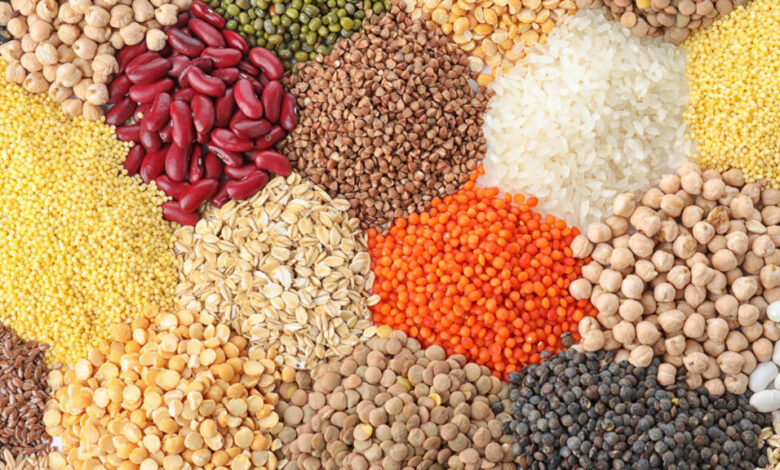
The debate between low-carbohydrate diets and low-fat diets in the realm of heart health may be missing the mark, according to a recent extensive study. The study suggests that it is not just the quantity of carbohydrates or fats that matters, but rather the quality of these macronutrients. Diets rich in plant-based foods, whole grains, and unsaturated fats were found to be more beneficial for heart health. Additionally, the inclusion of low-fat dairy in a diet featuring whole grains, vegetables, and fruits also received positive results.
The study, published in the Journal of the American College of Cardiology, highlighted the importance of consuming high-quality carbohydrates and fats for reducing the risk of coronary heart disease (CHD). Foods such as whole grains, fruits, vegetables, nuts, legumes, and olive oil were associated with a lower risk of heart disease, while diets high in refined carbohydrates and animal proteins and fats showed an increased risk.
Lead author Zhiyuan Wu emphasized the significance of promoting an overall healthy eating pattern rather than strict macronutrient restriction for preventing heart disease. The quality of the diet, which includes high-quality carbohydrates and plant-based sources of proteins and fats, was linked to a 15% lower risk of CHD compared to diets with lower-quality components.
The study also looked at various biomarkers in the participants’ blood samples to assess their overall health. Lower levels of triglycerides and inflammation markers, along with higher levels of “good” cholesterol, were observed in individuals following diets high in quality carbohydrates and fats. Metabolic biomarkers related to better health were also found at beneficial levels in biological pathways.
The definition of a “high-quality” diet has been a topic of debate, especially following the release of the new Dietary Guidelines for Americans 2025-2030. The updated guidelines, influenced by health and agriculture officials, shifted the focus towards consuming vegetables, fruits, legumes, whole grains, nuts, and fish, while discouraging red or processed meats, saturated fats, and sugary snacks.
Andrea Deierlein, director of public health nutrition at NYU School of Global Public Health, highlighted the importance of limiting added sugar, sodium, and refined carbohydrates, while emphasizing whole grains and whole fruits and vegetables. She noted that both low-carb and low-fat diets can be beneficial when focusing on healthy sources of proteins, fats, and carbohydrates.
While the study’s findings support existing recommendations such as the DASH diet and the Mediterranean diet, further research is needed to understand the impact of genetic backgrounds, gut microbiomes, and other individual factors on heart-healthy diets. The focus should be on the actual foods consumed, rather than specific macronutrient compositions, to promote overall health and well-being.
In conclusion, the study underscores the importance of consuming high-quality carbohydrates and fats from plant-based sources for optimal heart health. By following a diet rich in whole grains, fruits, vegetables, and lean proteins, individuals can reduce their risk of heart disease and improve their overall well-being.