Low Credit Score? It Could Be Costing You $102K Over A Lifetime
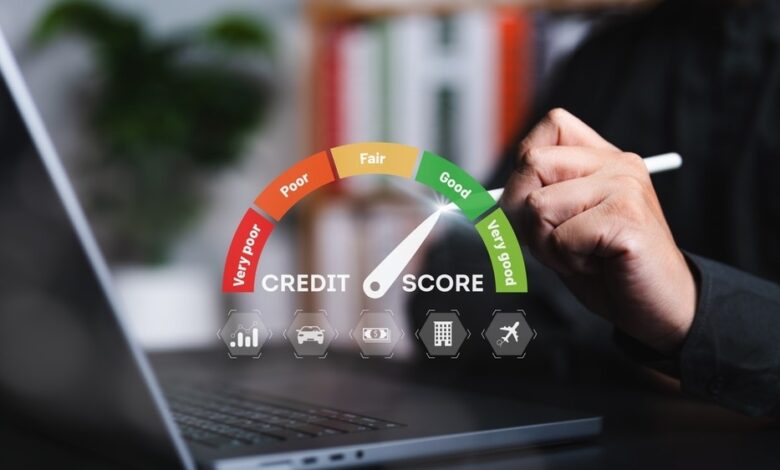
According to a recent Bankrate study, individuals with a credit score of 620 or lower could be paying a hefty “subprime tax” that amounts to over $100,000 throughout their lifetime. This extra cost, averaging $3,400 annually, is incurred by borrowers with lower credit scores when it comes to essential expenses like loans and insurance.
For about one-fifth of American adults with subprime credit, this additional financial burden can significantly impact their overall financial stability. The concept of the subprime tax refers to the higher fees that lenders and insurers impose on individuals with lower credit scores. On average, this equates to approximately 4% of a typical U.S. household’s yearly income.
These extra charges can manifest in various financial products, including mortgage loan interest, auto loan interest, auto insurance premiums, home insurance premiums, personal loan interest, and credit card interest. Over a span of five years, these costs can total around $17,000, and over 30 years, they can accumulate to more than $102,000 based on national averages for loan sizes, interest rates, and insurance premiums.
From the perspective of lenders and insurers, a lower credit score indicates a higher risk, whether it be missed payments or more frequent claims. To mitigate this risk, companies typically charge higher interest rates or premiums to individuals with lower credit scores. In the current economic climate with high interest rates, this gap in costs can widen further for subprime borrowers, potentially leading to both higher fees and more difficulty in accessing affordable credit.
The good news is that credit scores are not set in stone and can be improved over time with small, consistent changes. Experts recommend starting with a review of your credit reports to address any late payments, high balances, or errors. Payment history and credit utilization are the two most significant factors in determining your FICO score.
Other expert tips to improve your credit score include making timely payments, keeping credit utilization below 30%, building a positive credit history, and avoiding unnecessary credit applications. While enhancing your credit score may take time, the financial benefits are substantial, including lower mortgage rates, cheaper insurance premiums, and better loan offers.
By understanding your credit and taking proactive steps to improve it, you can potentially save thousands of dollars over time and secure a more stable financial future. The key takeaway is that small changes in managing your credit can lead to significant long-term savings, enabling you to achieve financial goals such as homeownership, retirement savings, or building a healthy emergency fund.
In conclusion, improving your credit score is a worthwhile investment that can yield substantial financial rewards in the long run. By taking control of your credit and making positive changes, you can avoid the subprime tax and secure a more prosperous financial future for yourself.