MAHA movement dismay: 2026 farm bill backs tobacco, pesticides
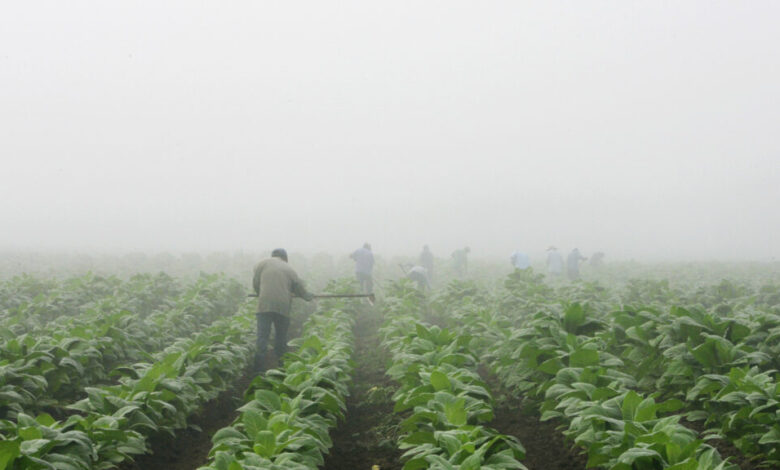
The current 2026 farm bill making its way through Congress has sparked controversy due to provisions that conflict with the Make America Healthy Again (MAHA) movement’s goals, particularly regarding pesticides and factory farming. One less-noticed amendment in the bill is causing concern, as it would allow tobacco farmers to receive more disaster and emergency funds, a move critics argue goes against public health objectives and MAHA’s mission to reduce chronic disease rates in the country.
Introduced by Rep. David Rouzer (R-N.C.), the amendment aims to make tobacco farmers eligible for aid from the U.S. Department of Agriculture’s Commodity Credit Corporation. This change would reverse the exclusion of tobacco farmers from receiving such funds since the termination of the federal tobacco program in 2004. Despite opposition from lawmakers like Rep. Angie Craig (D-Minn.), who raised concerns about promoting tobacco consumption, the amendment was ultimately approved.
While the impact of the amendment may seem minor, critics emphasize that it essentially subsidizes a product responsible for half a million American deaths annually. Kelsey Romeo-Stuppy, managing attorney at Action on Smoking and Health, highlighted the potential consequences of lowering the cost of tobacco products, making addiction more likely among youth and reducing incentives for adults to quit smoking.
On a broader scale, MAHA activists have also raised objections to other provisions in the farm bill that protect pesticide manufacturers from health-related lawsuits and restrict states’ ability to label pesticides with health warnings. These measures have drawn criticism for potentially exacerbating health risks associated with pesticide exposure.
Environmental advocates and MAHA supporters have called for a shift towards low-input agricultural practices, such as regenerative farming, to minimize the use of harmful chemicals in agriculture. While some provisions in the farm bill align with MAHA’s vision, such as incentivizing animal protein under the Supplemental Nutrition Assistance Program, the overall alignment with public health objectives remains a point of contention.
The tensions between the MAHA movement and political decisions catering to the agriculture industry underscore the challenges of balancing economic interests with public health priorities. Despite recent progress in reducing smoking rates below 10% in the U.S., the inclusion of the tobacco amendment in the farm bill would represent a setback in efforts to combat the leading cause of preventable deaths in the country.
As the farm bill progresses through the Senate Agriculture Committee, the debate over its provisions reflects a larger struggle between industry influence and public health advocacy. The outcome will determine whether policymakers prioritize the well-being of Americans or continue to cater to powerful agricultural interests, risking the support of movements like MAHA in the process.