Mahmoud Khalil seeks $20M from the Trump administration — or an apology
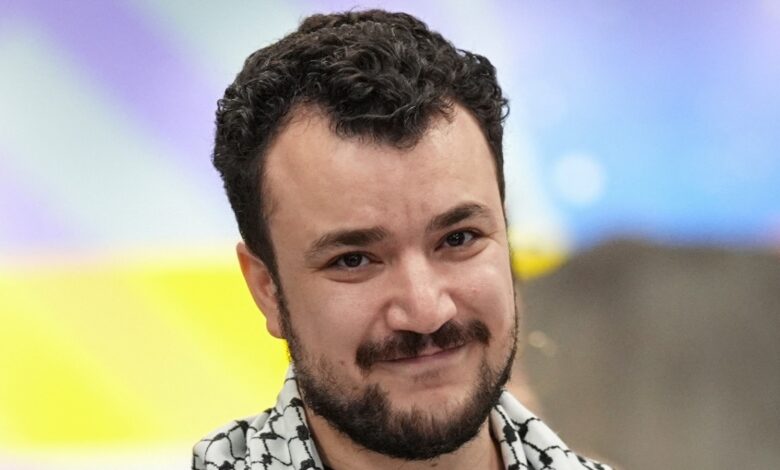
Mahmoud Khalil, a prominent figure in Columbia University’s pro-Palestinian campus protests, has taken legal action against the Trump administration. After spending over three months in immigration detention, Khalil is seeking $20 million in damages for alleged false arrest, imprisonment, malicious prosecution, intentional infliction of emotional distress, and other wrongdoing.
Represented by the Center for Constitutional Rights, Khalil aims to use the compensation to support others targeted by the Trump administration and Columbia University. The organization stated that Khalil would accept an official apology and the abandonment of unconstitutional policies as an alternative to financial payment.
As a key negotiator and spokesperson for the pro-Palestinian movement at Columbia University during the spring of 2024, Khalil played a significant role in the campus protests amid the Israel-Hamas conflict. However, his activism led to his arrest by Immigration and Customs Enforcement (ICE) in March, making him the first high-profile pro-Palestinian activist detained during the Trump administration’s crackdown on the protests.
Accused of supporting Hamas without evidence, Khalil was transferred to an ICE facility in Louisiana as the Trump administration sought his deportation. Despite initial findings of deportability by an immigration judge, a federal judge in New Jersey intervened, preventing Khalil’s deportation and continued detention.
Released from custody in June, Khalil continues to face deportation efforts from the Trump administration. His legal complaint also implicates the State Department, Department of Homeland Security, and ICE in conducting a retaliatory arrest based on his protected speech rights. The complaint alleges that government officials publicly defamed Khalil, labeling him as a terrorist sympathizer and anti-Semite to tarnish his reputation and cause emotional distress.
In response, DHS Assistant Secretary Tricia McLaughlin defended the administration’s actions, stating that Khalil’s claims of being branded as an anti-Semite were unfounded. McLaughlin argued that Khalil’s behavior on campus instilled fear in Jewish students and that living in the United States is a privilege granted to visa and green card holders.
The legal battle between Mahmoud Khalil and the Trump administration highlights the ongoing tensions surrounding free speech, activism, and government crackdowns on dissenting voices. As the case unfolds, the outcome will have significant implications for the protection of civil liberties and the rights of individuals to engage in political advocacy without fear of retaliation.