Major winter storm predicted to bring snow, ice to Midwest and Northeast
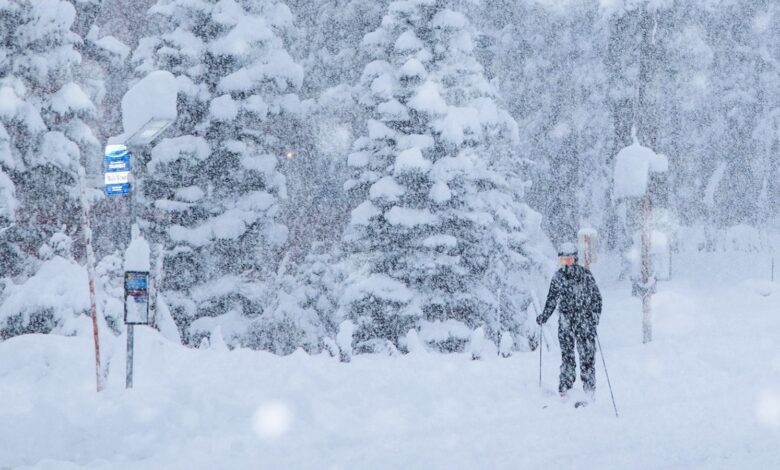
A significant winter storm is set to bring ice and snow to the upper Midwest on Thursday, with the system moving across the lower Northeast on Friday and tapering off by Saturday morning.
Freezing rain is expected to sweep through northern Minneapolis and Wisconsin on Thursday evening before making its way to Michigan on Friday morning. The freezing rain will then progress into western and central Pennsylvania later in the morning, with the most significant ice accumulation forecasted for central and western Pennsylvania.
Snow flurries could start as early as noon on Thursday in New York City, with the bulk of the snowfall anticipated to occur after 4 p.m. Snowfall is projected to persist through Thursday night in New York City, upstate New York, New Jersey, eastern Pennsylvania, Connecticut, Rhode Island, and Massachusetts, although Boston is not expected to receive substantial snowfall.
The heaviest to moderate snowfall is expected to subside by 4 a.m. on Sunday, with snowfall predicted to cease entirely by Saturday morning between 8 a.m. and 11 a.m.
New York City, northern New Jersey, the southern Hudson Valley, and western Pennsylvania are likely to see the most snow accumulation, with over half a foot possible in some areas. Ice accumulation could exceed a quarter of an inch in central Pennsylvania, including locations like Johnstown and Clarion. Drivers along the I-80 and I-70 corridors are urged to exercise extreme caution, as power outages are a possibility due to high levels of icing.
Up to 0.2 inches of ice accumulation is possible in northeastern West Virginia, central and northwestern Pennsylvania, and much of Michigan, including Detroit. Treacherous driving conditions are expected on untreated surfaces in these areas.
Washington, D.C., and Baltimore may also experience some ice accumulation on Friday and into Friday night. In the upper Midwest, around 0.2 inches of ice accumulation could occur from northern Minnesota through northern Wisconsin and Michigan.
Overall, residents in the affected regions should take precautions, stay informed about weather updates, and be prepared for potentially hazardous conditions as the winter storm moves through the area.