Malaria risk in the Amazon found to be higher in regions with intermediate forest degradation
The relationship between deforestation and the spread of malaria in the Legal Amazon region has been a topic of study as preparations for COP30, which includes discussions on health-related issues, are underway. The Legal Amazon region comprises nine Brazilian states where the Amazon biome is located and was designated by the government for regional development.
A recent study has revealed that areas with intermediate forest cover and 50% deforestation have higher rates of human malaria cases and infection rates by Anopheles mosquitoes, specifically the Nyssorhynchus subgenus. This highlights the importance of targeted interventions that combine vector control with forest conservation to address the persistent association between deforestation and disease transmission. Malaria, a disease caused by the Plasmodium parasite transmitted through the bite of infected Anopheles mosquitoes, poses a significant health threat in the region.
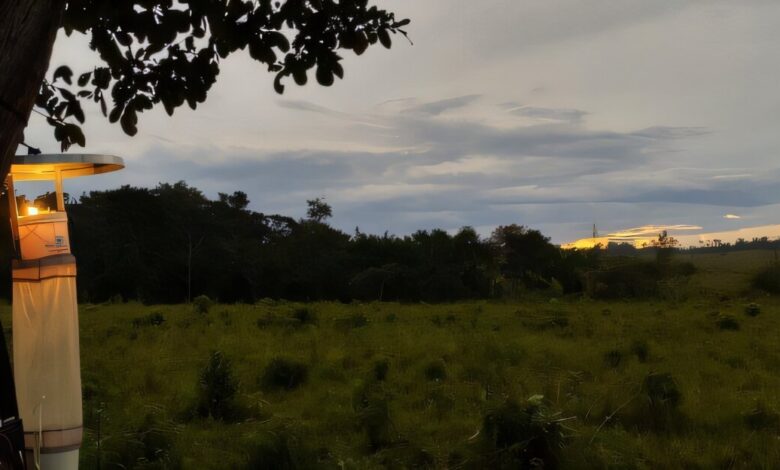
Researchers conducted field collections in Cruzeiro do Sul, a municipality in the state of Acre, known as a hotspot for malaria incidence. The study focused on areas with varying levels of forest cover and deforestation. The findings, published in the journal Acta Tropica, emphasize the need for conservation and restoration efforts to mitigate malaria transmission risks.
The lead researcher, Gabriel Laporta, emphasized that the risk of malaria transmission is highest when there is a 50% proportion of native forest near human settlements. However, the risk decreases in completely deforested areas or when the forest cover is restored to levels above 70%. This underscores the significance of conservation and restoration efforts in preventing disease transmission.
The study also utilized data on mosquito vector abundance, infection rates, and malaria cases in humans to assess how landscape structure influences disease transmission. Laporta highlighted the importance of collecting both vectors and human blood samples to understand the patterns of transmission risk.
In addition to the recent study, previous research has shown a higher risk of malaria associated with deforestation in rural Amazonian settlements. Changes in prevalent mosquito species and loss of biodiversity have contributed to the spread of malaria in the region. Climate change has further exacerbated the situation by creating favorable conditions for mosquito proliferation.
Efforts to address malaria transmission in the Amazon region include health surveillance systems, targeted interventions for vulnerable populations, and sustainable initiatives that promote forest conservation. The upcoming COP30, set to take place in November in Belém, will address the interconnected issues of environmental conservation and public health.
Malaria remains a significant public health challenge globally, with the Amazon region accounting for a large number of cases in Brazil. The National Malaria Elimination Plan aims to reduce malaria cases in the country by 2030. Effective treatment protocols, comprehensive vector control strategies, and maintaining biodiversity in forested areas are essential to eliminating malaria in the region.
The findings of the study underscore the importance of addressing environmental factors in malaria control efforts and integrating health and environmental agendas to combat the disease effectively. By promoting sustainable initiatives and conservation efforts, it is possible to reduce the risk of malaria transmission and improve public health outcomes in the Amazon region.