Many Americans Have Retirement Savings Stuck in ‘Junk IRAs’
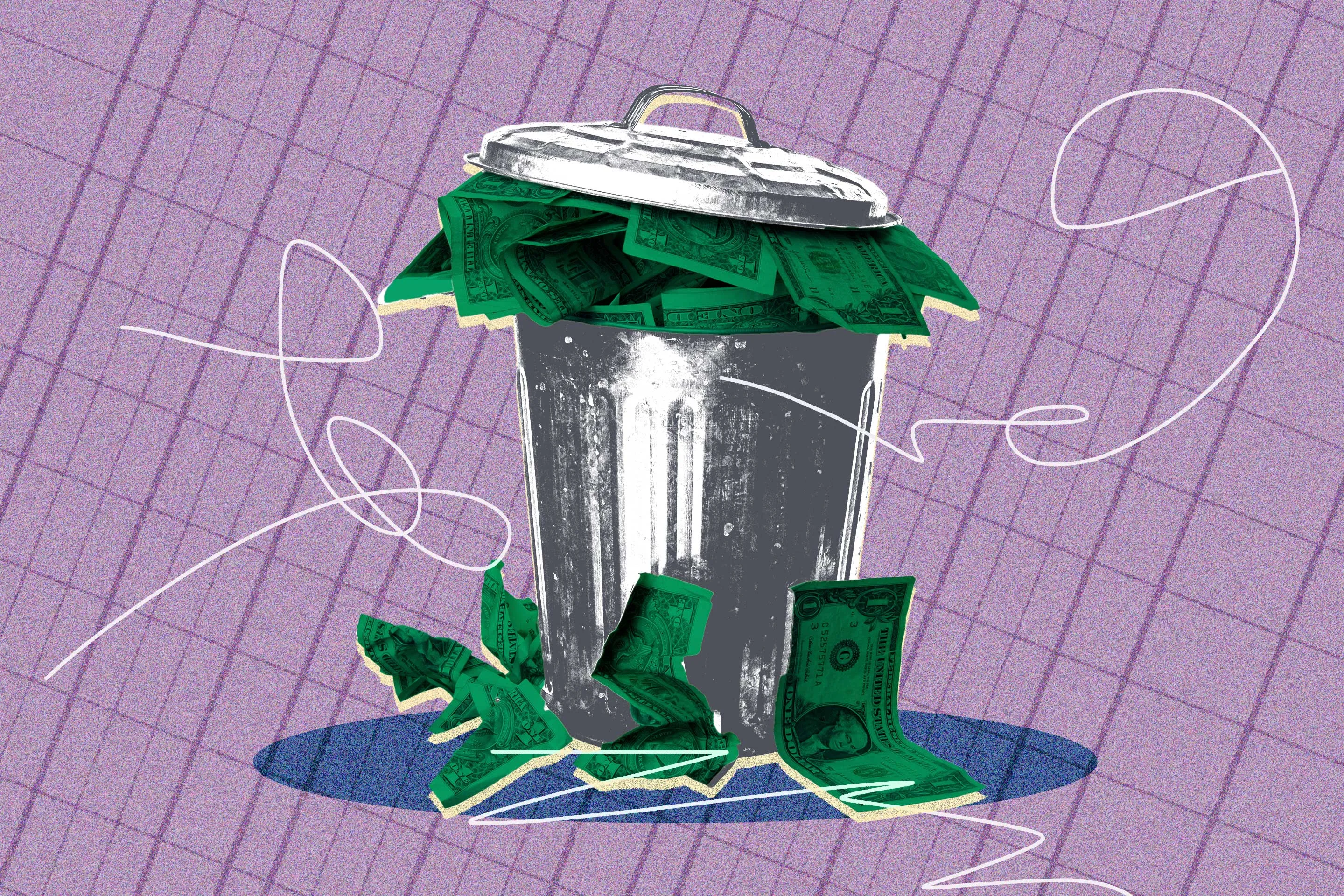
Many Americans unknowingly have money lingering in “forgotten” retirement accounts from previous jobs, and recent studies reveal that high fees can erode these savings over time.
When individuals switch jobs, they often neglect their 401(k) accounts, especially if the accumulated savings are relatively small. These accounts, typically containing just a few thousand dollars, can lead to costly administrative burdens. If the balance falls below $7,000, employers usually transfer abandoned 401(k)s into Safe Harbor individual retirement accounts, specifically designed for this scenario.
Despite the seemingly benign name, research conducted by PensionBee indicates that Safe Harbor IRAs can be predatory. The study uncovers that Americans hold a significant $28.4 billion in Safe Harbor IRAs, a substantial amount considering these accounts are intended as temporary holding solutions.
“‘Safe harbor’ sounds good. It sounds safe,” noted Romi Savova, CEO of PensionBee. “But the reality is, based on the research that we’ve done, it’s often not.”
An entire industry of so-called “Junk IRA” providers offers products that can deplete retirement accounts through excessive fees and minimal returns, as per PensionBee’s findings.
PensionBee’s research reveals that many Safe Harbor IRAs impose flat monthly fees ranging from $1 to $5. This can equate to as much as 2.2% annually on an average account size of $2,718, surpassing the fees typically associated with a 401(k). Additionally, enrollment fees, paper statement fees, and percentage-of-balance fees as high as 0.5% per year were identified in the Safe Harbor IRA market.
Comparatively, the average plan fee for a 401(k) varies between 0.27% and 1.26%, depending on the plan’s size. Rolling over savings into an IRA of personal choice can lead to lower or zero maintenance fees with popular online brokers, where individuals only pay expense ratios for the investment funds in their accounts.
By 2030, the total sum held in Safe Harbor IRAs could surge to over $43 billion across approximately 13 million accounts, according to PensionBee’s analysis based on earlier research by the Employee Benefits Research Institute.
Forgotten 401(k)s are ending up in junk IRAs: report
With millions of Americans potentially holding funds in Safe Harbor IRAs without awareness, individuals might question if they possess an old 401(k) from a previous job.
How can people determine if they have funds in a Safe Harbor IRA? Savova explained that employers are required to send notifications before transferring any balances. However, these systems do not consistently operate effectively. In fact, only 12.8% of accounts are reclaimed and transferred within a year, with just 25% moving within three years, according to the study.
“To the extent the letter has been sent — you may not have opened it. If you did open it, you may not have fully understood the contents of that letter. Unless you are really an expert in this system, you may not know that you have been forced out at all,” Savova emphasized.
If an individual repeats this pattern across multiple job changes, it can significantly impede their retirement planning. For instance, neglecting five 401(k)s over ten years due to job switches could result in a $90,000 deficit at retirement, as per PensionBee’s projections.
To evade Safe Harbor IRAs entirely, individuals switching jobs should promptly transfer any smaller 401(k) balances to a new 401(k) or an IRA of their choosing.
More from Money:
What Is an IRA?
This Underused Retirement Strategy Could Boost Your Fixed-Income Payout by 23%
Why You Should Open an IRA in Addition to Your Workplace 401(k)