Mayor Mamdani’s rapid spending agenda will lead NYC into a rapid decline
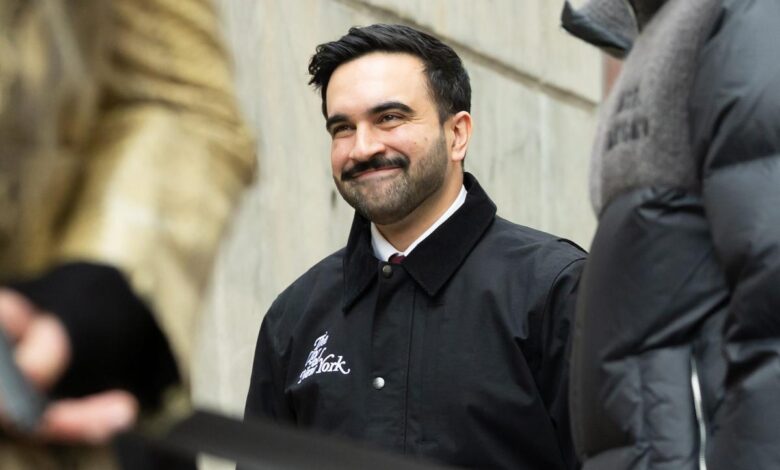
To be completely honest, I had anticipated that our socialist mayor would face challenges in governing the city and financing his plans, but I didn’t expect it to happen so soon, even before his first budget was finalized. The current debate over raising taxes on wealthy individuals who are already leaving the city or burdening working-class homeowners with higher property taxes is concerning. It’s a clear indication that the mayor is not equipped to lead New York City, and Governor Hochul should consider removing him from office before further damage is done to the city’s economy.
Unfortunately, the likelihood of this happening is slim, as emergency powers granted to the governor have rarely been used. Hochul herself is part of the problem, as she has not been proactive in addressing the economic challenges facing the city and the state. Despite her rhetoric about cutting taxes to support the economy, her track record suggests otherwise.
For years, politicians like Hochul and her predecessor Andrew Cuomo have approved tax hikes and expansive spending plans, leading to a normalization of unsustainable policies. The current situation, exacerbated by the socialist agenda of the mayor, is unsustainable. Even if the mayor’s proposals are not fully implemented, the city does not have enough taxpayers to sustain the bloated government structure that has been created, let alone support socialist initiatives.
Looking back at previous mayoral administrations, it is evident that fiscal responsibility is crucial for the city’s well-being. Mayors like Rudy Giuliani and Mike Bloomberg managed to maintain a balanced budget and foster economic growth without resorting to excessive spending or tax hikes. In contrast, Mayor Bill de Blasio’s tenure was marked by reckless spending, failed tax schemes, and an exodus of taxpayers from the city.
The COVID-19 lockdowns of 2020 further exacerbated the city’s financial woes, prompting an increase in the budget deficit. Despite federal relief funding and a temporary boost from Wall Street, the city’s financial stability remained precarious. Mayor Eric Adams inherited a challenging situation but failed to address the underlying issues, leading to a further increase in the city’s budget size.
As the current mayor pushes for a substantial budget increase through higher taxes, it is clear that the city’s economic landscape has shifted. The departure of wealthy individuals, the decline of Wall Street, and the closure of businesses are all indicators of a struggling economy. The mayor’s lack of understanding of these issues underscores the importance of electing leaders with the experience and knowledge to navigate complex economic challenges.
In conclusion, the future of New York City’s economy hinges on responsible governance and strategic decision-making. It is imperative that city officials prioritize fiscal stability and sustainable growth to ensure a prosperous future for all residents.