Measles outbreaks worsen in South Carolina, Arizona and Utah
Measles outbreaks are on the rise in various parts of the United States, with significant clusters reported along the Utah-Arizona border and in South Carolina. In South Carolina, health officials have confirmed 27 new cases of measles in Spartanburg County, bringing the total number of cases to 111 within two months. More than 250 individuals, including students from multiple schools, are currently in quarantine, with most cases linked to exposures at Way of Truth Church in Inman.
Dr. Linda Bell, the state epidemiologist, has expressed concerns about ongoing transmission in South Carolina, stating that the outbreak is expected to continue for several more weeks. In Arizona and Utah, the situation is equally dire, with Mohave County reporting 172 cases and Southwest Utah Public Health Department confirming 82 cases. The cities of Colorado City, Arizona, and Hildale, Utah, are among the hardest hit areas, with Utah reporting a total of 115 measles cases and Arizona confirming 176 cases this year.
Nationally, the measles case count is approaching 2,000, despite the disease being considered eliminated in the U.S. since 2000. The majority of cases have been linked to unvaccinated individuals. Canada recently lost its measles-free status, as did the larger health region of the Americas. Experts warn that the U.S. is at risk of losing this designation as well, especially considering the continuous spread of the virus over the past year.
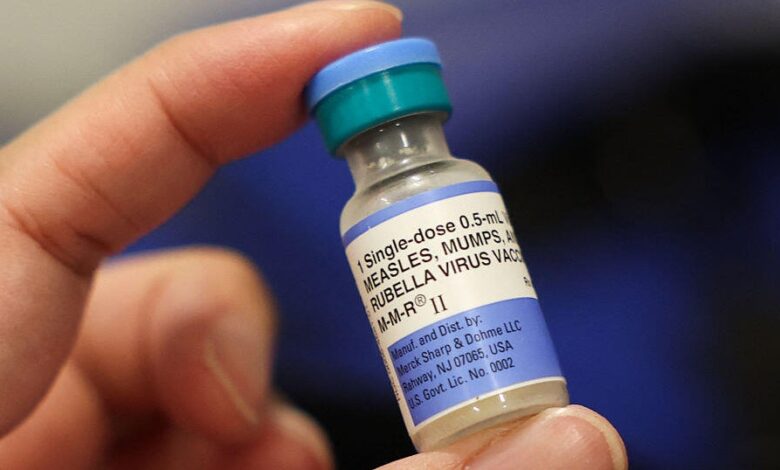
Dr. William Schaffner, an infectious disease expert at Vanderbilt Medical Center, attributes the outbreaks to parents withholding vaccinations from their children. He emphasizes the effectiveness of the combined MMR vaccine, which provides 97% protection against measles after two doses. However, vaccination rates have declined in the U.S. as more parents opt out of immunizations or fall behind on recommended schedules.
In response to the outbreaks, the CDC’s Advisory Committee on Immunization Practices recommended separating the MMRV vaccine into separate shots for children under the age of 4. This decision followed changes made to the committee’s composition in June, with new members expressing vaccine skepticism. While the combined MMRV vaccine offers convenience, it does carry a slightly higher risk of febrile seizures in young toddlers.
Despite the challenges posed by measles outbreaks, health officials continue to emphasize the importance of vaccination in preventing the spread of the virus. The situation serves as a stark reminder of the critical role that immunizations play in safeguarding public health and preventing the resurgence of vaccine-preventable diseases.