Medicare Open Enrollment 2026 Brings Major Plan Changes
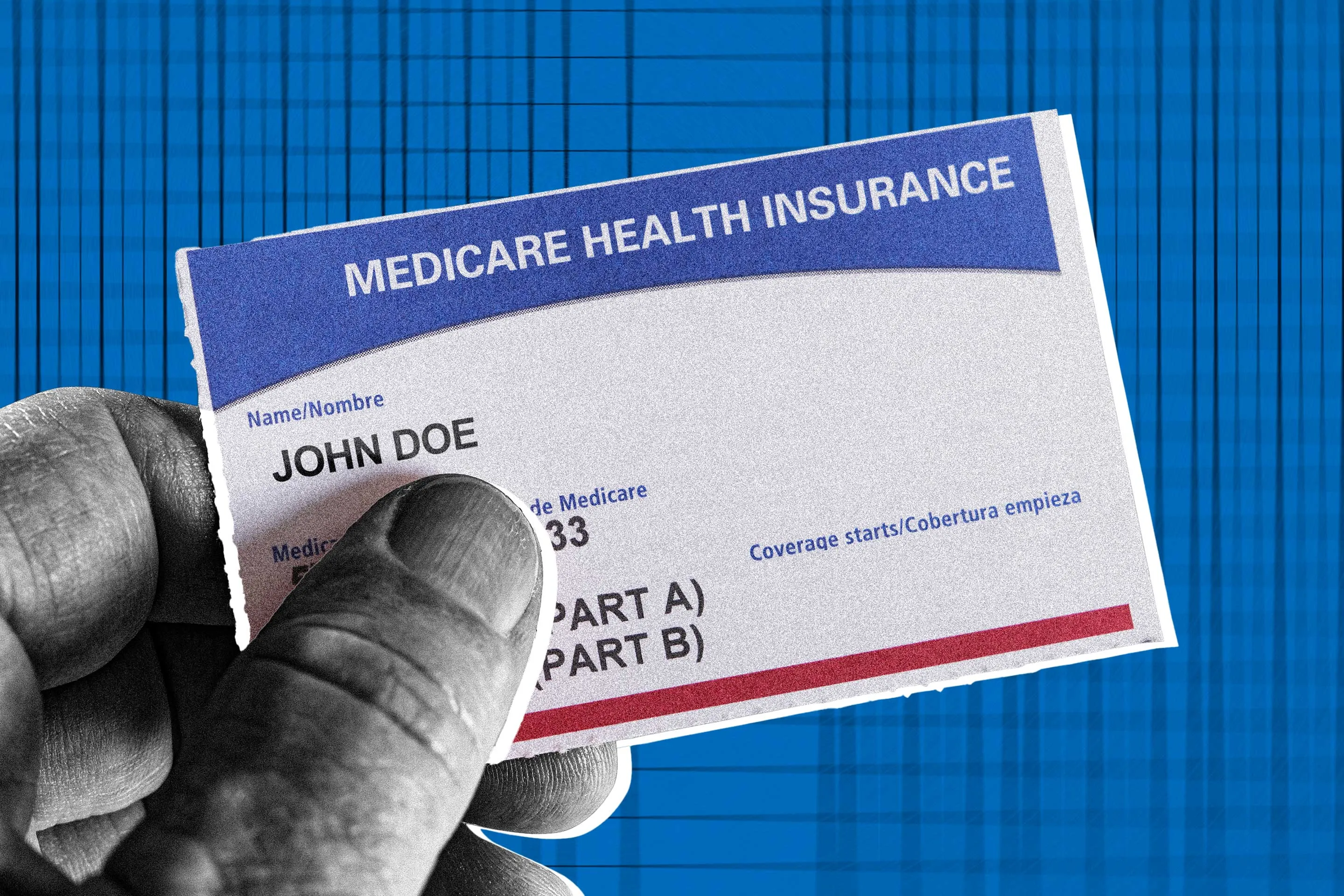
Medicare’s annual enrollment period is currently underway, allowing nearly 70 million Americans to make changes to their health insurance plans until December 7, despite the federal government shutdown. This year, experts are emphasizing the importance of carefully reviewing health benefits due to policy changes from private insurers and the federal government.
Gretchen Jacobson, vice president of Medicare policy at the nonprofit Commonwealth Fund, stressed the significance of evaluating available options during this enrollment season. According to the nonprofit health research organization KFF, around 70% of Medicare enrollees do not compare their coverage options during open enrollment, although it is strongly encouraged to do so.
Medicare Advantage and Medicare prescription drug plans often change from year to year and may differ in various ways. Premiums for traditional Medicare and prescription coverage are expected to increase significantly next year, with major private insurers reducing their Medicare Advantage Plans, affecting coverage for at least 1 million Americans.
During this enrollment period, Medicare enrollees in Part A and Part B can switch to private insurance plans that meet Medicare standards (Part C or Medicare Advantage Plans) and adjust their prescription drug benefits through Part D. Those already enrolled in a Medicare Advantage Plan can switch back to traditional Medicare or choose from other private Medicare Advantage Plans, with changes taking effect on January 1.
Traditional Medicare enrollees should be prepared for potential premium increases, as Part B premiums are projected to rise by nearly 12% to $206.50, as stated by the Centers for Medicare & Medicaid Services (CMS). Additionally, the out-of-pocket expense limit for prescription drugs through Part D is increasing to $2,100 next year, up from the current $2,000.
With these changes in mind, it is crucial for Medicare enrollees to carefully assess their options and make informed decisions during this enrollment season to ensure they have the most suitable health insurance coverage for the upcoming year. Folks looking to enroll in Medicare Part D plans may have fewer options to choose from this year, according to insights from experts like Bonnie Jacobson. Jacobson notes that there has been a decrease in standalone prescription drug plans available in every state over the past several years.
For those who do not make a selection during open enrollment, they will be automatically re-enrolled in their current plans. However, this may not be the case for individuals enrolled in Medicare Advantage Plans through Aetna, Humana, and UnitedHealth.
These three major private providers are scaling back their Medicare Advantage coverage in hundreds of counties and states across the country. Healthpilot estimates that around 1.2 million Americans enrolled in Medicare Advantage plans may lose their current coverage due to these changes. The insurance companies cite reasons such as funding cuts from the government, health care inflation, and financial constraints for the retrenchment.
Individuals affected by these changes should have received an Annual Notice of Change by September 30th. Despite the negative impact of losing Medicare Advantage coverage, there is a potential silver lining. Those who lose their coverage have the opportunity to obtain Medigap coverage, which supplements what traditional Medicare does not cover. Federal rules relax enrollment restrictions for Medigap plans when individuals are kicked off their private plans.
To navigate through these changes and choose the right Medicare coverage, experts recommend utilizing free assistance programs such as State Health Insurance Assistance Programs (SHIPs). These federally funded advisors offer one-on-one help and guidance to enrollees. Additionally, Medicare.gov provides a user-friendly coverage comparison tool, and the 1-800-Medicare hotline is available for advice and troubleshooting assistance.
Despite any government shutdowns, resources like Medicare.gov, the hotline, and SHIPs are still operational and available to assist individuals in choosing the right Medicare coverage. With fewer Part D plans available this year, it is crucial for individuals to seek guidance and support to make informed decisions about their healthcare coverage.