Merck scraps £1bn expansion in the UK over lack of state investment
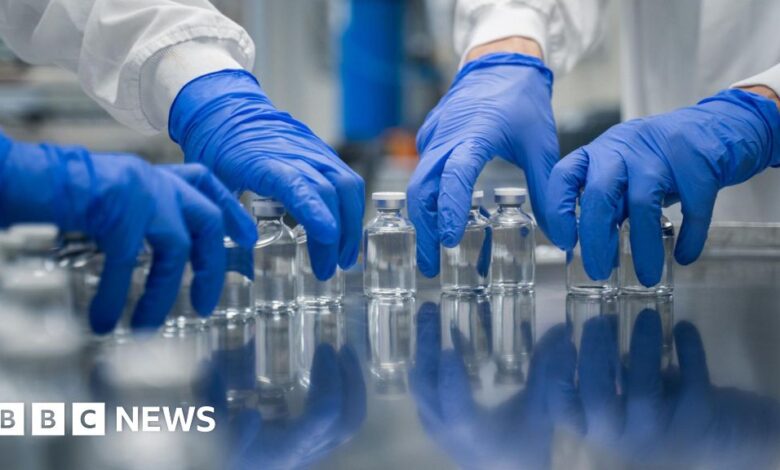
US pharmaceutical giant Merck has decided to cancel a planned £1bn expansion of its UK operations, citing a lack of government investment in the sector. The multinational company, also known as MSD in Europe, will be relocating its life sciences research to the US and cutting jobs in the UK. This decision comes as a blow to the industry, with experts warning that other major pharmaceutical companies may follow suit and cease investing in the country.
According to Sir John Bell, an emeritus regius professor of medicine at Oxford University, several major companies are reconsidering their investments in the UK due to the challenges they face in selling their products in the country. He highlighted the declining percentage of healthcare spend on pharmaceuticals in the UK compared to other countries, making it less attractive for pharmaceutical companies to operate there.
Richard Torbett, head of the Association of the British Pharmaceutical Industry, described Merck’s decision as “an incredible blow” and emphasized the need to address the lack of competitiveness in the UK market. He urged policymakers to take action to reverse this trend and attract more investment in the life sciences industry.
This move by Merck follows similar decisions by other pharmaceutical companies, such as AstraZeneca and Norvartis, to scale back their investment plans in the UK. These companies have cited reduced government support and declining competitiveness as reasons for their decisions, raising concerns about the future of the pharmaceutical industry in the country.
Industry sources have pointed out that the UK has been a hub for attracting major funding in the life sciences and AI sectors, but the lack of competitiveness and investment in innovative medicines have deterred companies from expanding their operations in the country. The current pricing regime for medicines, agreed upon by drug companies in 2023, has also come under scrutiny, with industry lobbying for more favorable terms to encourage investment.
Despite these challenges, Dr. David Roblin, chief executive of biotechnology company Relation Therapeutics, remains optimistic about the UK’s research environment. He emphasized the country’s academic excellence and research infrastructure as key attractors for foreign investment, but acknowledged the impact of the political landscape in the US on big pharma’s investment decisions.
In response to Merck’s decision, a spokesperson for the Department of Industry, Science, and Technology assured that the UK remains an attractive destination for investment and pledged support for affected employees. The government is committed to addressing the concerns raised by pharmaceutical companies and has outlined plans to drive innovation and faster regulatory approval for new technologies and medicines.
Overall, Merck’s decision to cancel its UK expansion highlights the challenges facing the pharmaceutical industry in the country and underscores the need for policymakers to take action to improve competitiveness and attract investment in the life sciences sector.