Meta wins FTC antitrust trial that focused on WhatsApp, Instagram
Meta Wins High-Profile Antitrust Case Against FTC
Meta emerged victorious in its high-profile antitrust case against the Federal Trade Commission, refuting allegations of monopolistic practices in the social networking industry.
Following a memorandum opinion by Judge James Boasberg from the U.S. District Court in Washington, D.C., it was concluded that the FTC failed to substantiate its claims. The focus of the case, initiated five years prior, revolved around Meta’s acquisitions of Instagram and WhatsApp.
“The onus was on the FTC to demonstrate that Meta currently wields monopoly power, not merely in the past,” stated Boasberg in the legal documentation. “Today’s verdict attests that the FTC has not met this burden, and a formal judgment to this effect will be issued promptly.”
Earlier in 2021, Boasberg dismissed the case, citing insufficient evidence by the agency to establish Facebook’s dominance in the market. However, subsequent amendments to the complaint in 2021 led to a reconsideration, allowing the case to proceed.
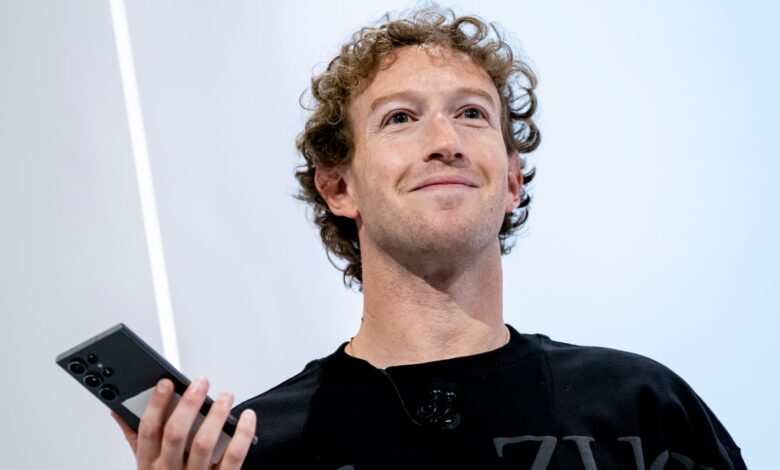
The trial, which commenced in April, saw testimonies from Meta CEO Mark Zuckerberg, former COO Sheryl Sandberg, Instagram co-founder Kevin Systrom, and other current and former executives of the company.
The FTC’s contention against Meta’s acquisitions of Instagram and WhatsApp, demanding their divestiture, hinged on the purported lack of viable alternatives for social networking platforms like Facebook and Instagram.
Boasberg’s ruling underscored the necessity for the FTC to establish a present or imminent violation of antitrust laws, rather than relying on historical precedents when the social media landscape was markedly different.
The evolving dynamics of the technology sector, as highlighted by Meta’s evolving competitive landscape and the rise of platforms like TikTok, played a pivotal role in the court’s decision.
Judge Boasberg emphasized the shift towards video-centric platforms like TikTok and YouTube, which have garnered substantial user bases and network effects, challenging Meta’s position in the market.
Furthermore, industry insights and testimonies indicated that Meta faced significant competition from platforms like TikTok and YouTube, dispelling the notion of its monopoly status.
The ruling, coming on the heels of Google’s antitrust case outcome, signals a nuanced approach by the judiciary in addressing monopolistic practices in the tech industry.
Stay tuned for further updates on this unfolding story.