Microplastics found to change gut microbiome in first human-sample study
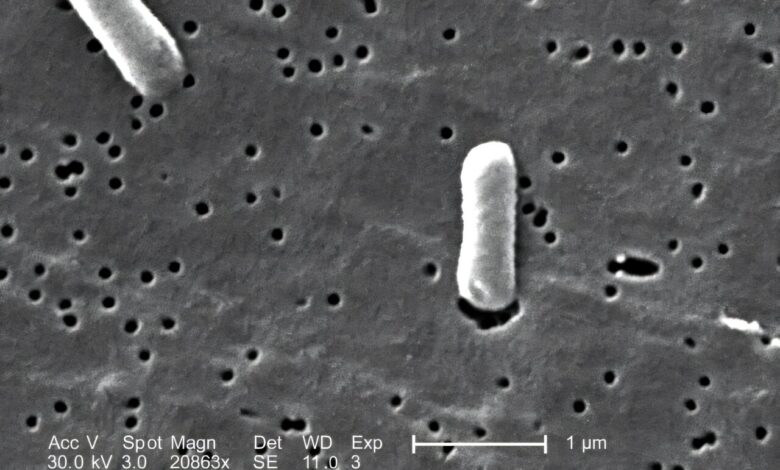
A groundbreaking study presented at UEG Week 2025 has revealed that microplastics, tiny plastic particles commonly found in the environment, can have a significant impact on the human gut microbiome. The research indicated that exposure to microplastics can lead to changes in the gut microbiome that resemble patterns associated with conditions such as depression and colorectal cancer.
The study, conducted as part of the microONE project led by the CBmed research center in collaboration with international partners, is one of the first to directly investigate the interaction between different types of microplastics and the human gut microbiome. This research is part of a larger effort to explore the effects of micro- and nanoplastic particles on the human body, providing crucial insights into potential health risks and highlighting the need for further investigation.
Using stool samples from five healthy volunteers, the study exposed ex vivo gut microbiome cultures to five common types of microplastics at concentrations reflecting human exposure levels. The results showed that while total bacterial cell counts remained stable, the microbial metabolic activity was significantly altered, leading to changes in bacterial composition and the production of specific chemicals by the bacteria.
These changes in microbial composition were linked to alterations in chemical production, with some of the chemicals corresponding to shifts in pH levels. Interestingly, some of the changes observed in the gut microbiome as a result of microplastic exposure mirrored patterns associated with conditions like depression and colorectal cancer, raising concerns about the potential health implications of microplastic exposure.
Lead researcher Christian Pacher-Deutsch explained that the mechanisms underlying these effects are still being investigated, but possible explanations include the creation of microbial-friendly environments on microplastic surfaces and the direct influence of chemical substances carried by microplastics on bacterial metabolism. These changes in the gut microbiome could have far-reaching consequences for overall health and well-being.
The study’s findings underscore the importance of reducing microplastic exposure in daily life, as these particles are pervasive in the environment and can be ingested through various means. While more research is needed to fully understand the health implications of microplastic exposure, taking precautions to minimize exposure is a prudent step to safeguard the gut microbiome and overall health.
In conclusion, the study sheds light on the significant impact of microplastics on the human gut microbiome and emphasizes the need for further research to fully comprehend the implications for human health. By raising awareness about the potential risks associated with microplastic exposure, this research aims to inform public health policies and promote strategies to mitigate the harmful effects of microplastics on the gut microbiome.