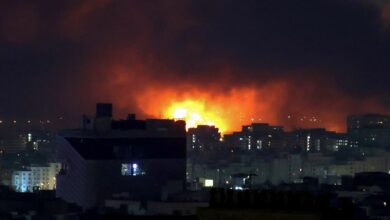
Middle East airports closed, thousands of travelers stranded after attack on Iran
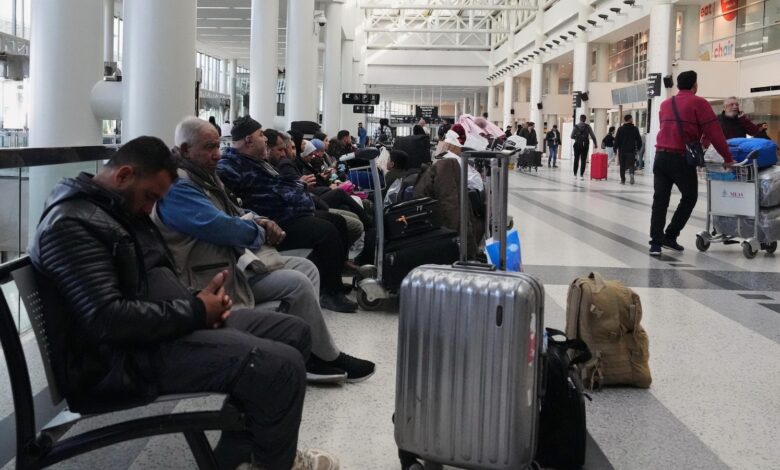
The recent attack on Iran by the United States and Israel has caused major disruptions in flights across the Middle East and beyond. Countries in the region have closed their airspace, leading to the closure of key airports that connect Europe, Africa, and the West to Asia. This has left tens of thousands of travelers stranded around the world.
Airports across the Middle East have remained closed as the conflict enters its second day. Emirates Airlines has suspended all flights to and from Dubai, while Qatar Airways has closed the Qatar airport until at least Monday morning. Israeli airspace also remains closed.
The closures have resulted in the cancellation of more than 1,800 flights by major Middle Eastern airlines, affecting around 90,000 passengers per day who pass through key hub airports in Dubai, Abu Dhabi, and Doha. Incidents have been reported at airports in the United Arab Emirates, with casualties and injuries resulting from drone strikes.
The conflict has led to rerouting of flights, with airlines having to avoid the affected areas. This has added hours to flight times and increased fuel costs, potentially leading to higher ticket prices. Air traffic controllers in Saudi Arabia are also under pressure to manage the increased traffic.
While the situation is evolving rapidly, airlines are urging passengers to check their flight status online before heading to the airport. Some airlines have issued waivers to allow affected travelers to rebook their flights without extra fees. However, the disruption to flight operations could last for an extended period, similar to previous conflicts in the region.
Numerous airlines have canceled international flights to the Middle East, with some designating the region as a high-security risk zone. Flights to countries like Lebanon, Syria, Iraq, Iran, and Jordan have been suspended, affecting travel plans for many passengers.
Travelers are advised to anticipate disruptions and be prepared for delays or cancellations as the conflict continues. It is essential to stay informed about the situation and be flexible with travel plans. Airlines are working to manage the impact of the conflict on flight operations and ensure the safety of passengers and crew.