Millionaires No Longer Paying Into Social Security for 2026
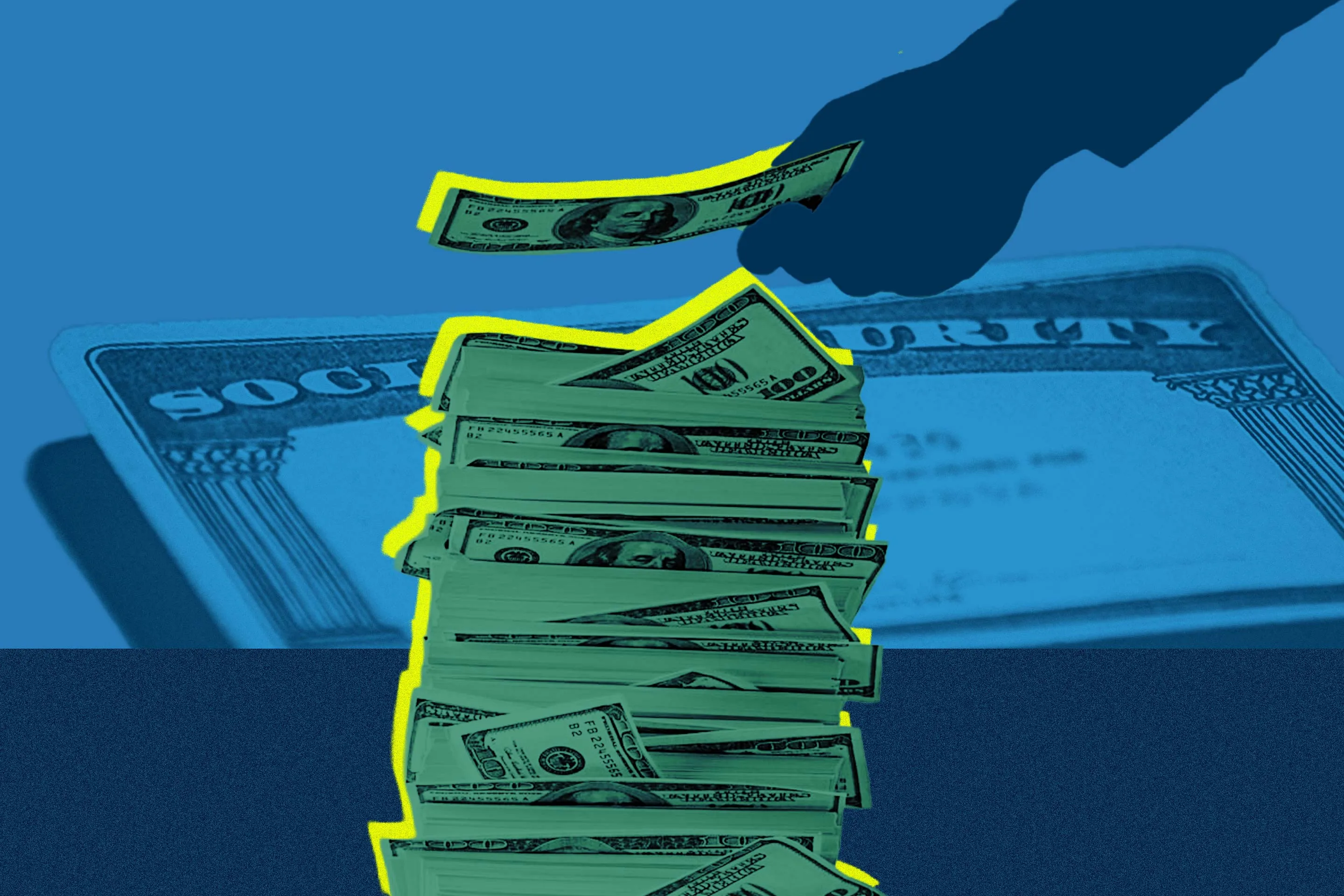
The recent news that millionaires are now paying less taxes than the average worker has caused quite a stir. As of March 9, 2026, workers earning $1 million or more have reached the threshold where they no longer have to contribute to Social Security for the year. This cutoff is concerning given the ongoing financial struggles of the Social Security program.
According to experts, the solvency of Social Security could be greatly improved if the wealthiest Americans were to contribute more. However, the current system allows those who are most capable of paying to stop doing so once they reach the taxable maximum. In 2026, this limit is set at $184,500, after which individuals are no longer required to pay into the system until the following year.
While high earners still pay a significant amount in Social Security taxes, their contribution as a percentage of their overall income is lower compared to the majority of workers. This disparity is particularly troubling as the Social Security Administration faces challenges in funding benefits for the growing number of beneficiaries, including aging baby boomers and a shrinking workforce.
To address the looming budget crisis, many experts have proposed raising or eliminating the payroll tax cap. By doing so, a significant portion of the funding shortfall could be covered without reducing benefits. However, the share of high earners’ income exempt from the payroll tax has been increasing over the years, exacerbating income inequality.
Factors such as declining union membership, rising CEO pay, deregulation, and changes in corporate governance have all contributed to this growing wealth gap. As a result, lower-income individuals bear a disproportionate burden of supporting Social Security, while high earners continue to benefit from exemptions and tax breaks.
In light of these challenges, policymakers must consider reforms to ensure the long-term sustainability of Social Security. By addressing income inequality and reforming the tax system, we can work towards a fairer and more equitable society for all Americans.