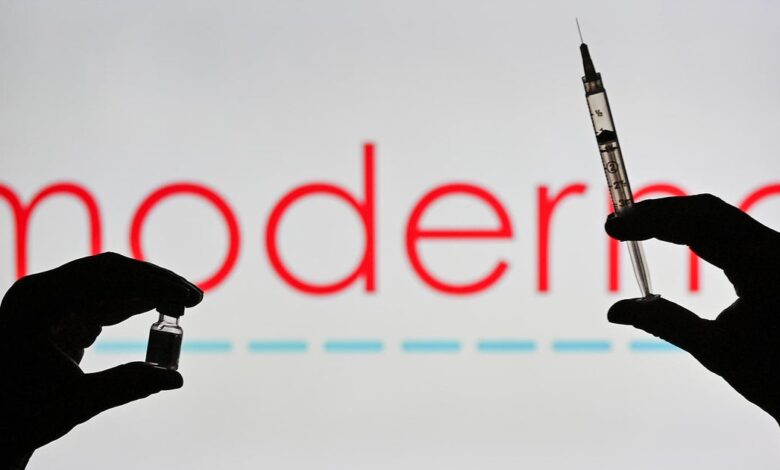
Moderna says FDA refuses its application for new mRNA flu vaccine
The Food and Drug Administration has made a controversial decision to refuse Moderna’s application for a new flu vaccine utilizing mRNA technology, which has been recognized with a Nobel Prize. This move comes amidst heightened scrutiny of vaccines under the leadership of Health and Human Services Secretary Robert F. Kennedy Jr., who has been critical of mRNA technology both before and after assuming his role as the nation’s top health official.
Moderna received a “refusal-to-file” letter from the FDA, citing concerns about the methodology of a 40,000-person clinical trial comparing the efficacy of their new vaccine to a standard flu shot currently in use. The trial indicated that the new vaccine was more effective in adults aged 50 and older compared to the standard shot. However, FDA vaccine director Dr. Vinay Prasad deemed the trial inadequate as it did not compare the new vaccine to the best-available standard of care in the United States at the time of the study.
In response, Moderna published the letter online, revealing that the FDA had provided feedback in 2024 under the Biden administration, advising the use of a different flu shot for seniors in the study. Despite this guidance, Moderna proceeded with the study using the standard-dose flu shot they had chosen. The company also shared additional data from a separate trial comparing the new vaccine to a licensed high-dose shot for seniors.
Moderna CEO Stephane Bancel expressed disappointment in the FDA’s decision, emphasizing that there were no safety or efficacy concerns raised regarding the new vaccine. The company has requested an urgent meeting with the FDA and has applied for approval of the vaccine in other countries such as Europe, Canada, and Australia.
Under Kennedy’s leadership, the FDA has taken a more cautious approach to vaccines, rolling back recommendations for COVID-19 shots and adding warnings to mRNA-based vaccines. Last year, Kennedy announced the cancellation of over $500 million in funding for mRNA vaccine development, citing potential risks associated with the technology.
Critics of the FDA’s decision, including former Surgeon General Jerome Adams, have condemned the move, stating that it could have detrimental consequences. Democratic Senator Patty Murray also criticized the decision, accusing Kennedy’s team of blocking an updated flu vaccine without scientific justification.
Despite the controversy, the FDA’s decision reflects a shift in vaccine policy, signaling a departure from the streamlined approach of updating flu vaccines based on immune response data. The rejection of Moderna’s application raises questions about the future of mRNA technology in vaccine development and the regulatory landscape surrounding innovative medical solutions.