Mold causes hidden health crisis as extreme weather risk grows
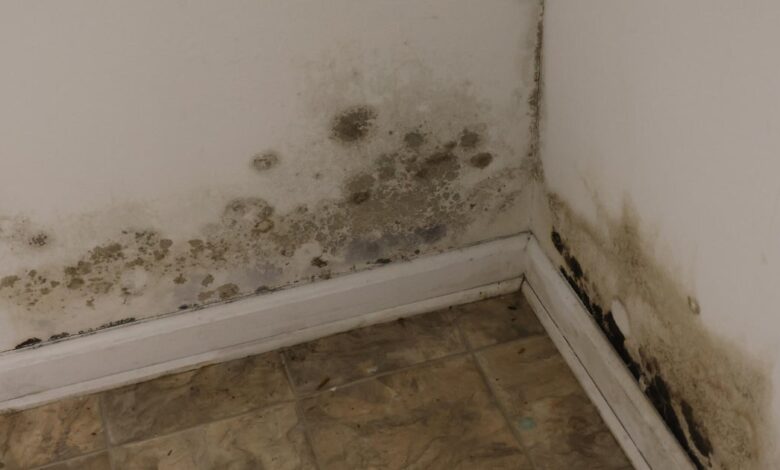
Tallahassee, Florida — Danae Daniels returned from an internship to find her off-campus apartment infested with mold. The aftermath of severe natural disasters in the Tallahassee area had caused widespread damage, leading to a mold crisis with public health implications.
According to the National Centers for Environmental Information, storms in summer 2024 caused billions of dollars in destruction, displacing families and businesses. The lingering moisture from the storms created the perfect conditions for mold growth in homes and buildings.
Mold exposure can lead to respiratory illnesses, especially in homes affected by flooding. Parham Azimi, a research associate at Harvard T.H. Chan School of Public Health, emphasizes the link between mold exposure and respiratory health issues post-natural disasters.
A Rising Concern
Almost half of residential buildings in the U.S. contain mold, posing a significant health risk post-natural disasters. With a large percentage of the population living in flood-prone areas, millions are vulnerable to mold-related health issues when extreme weather hits.
Mold exposure can result in various health problems, from mild allergic reactions to severe respiratory conditions. The Centers for Disease Control and Prevention lists congestion, asthma flare-ups, and skin irritation as common symptoms.
Government programs that assist in housing repair post-disasters are facing challenges, with delays in aid distribution leaving affected individuals exposed to mold for prolonged periods.
Challenges and Solutions
Mold remediation is costly, making it difficult for many households to afford proper removal. Lauren Lowenstein’s experience in Houston highlights the hidden nature of mold growth, with toxic spores causing health issues without visible signs.
The wait for government assistance can be lengthy, as seen in Tanya Locklear’s case in North Carolina. Delayed aid approval led to prolonged exposure to mold, resulting in health complications for her and her family.
Community organizations like the Robeson County Disaster Survival and Resiliency School are stepping in to provide hands-on training and free mold remediation services to vulnerable communities. These initiatives aim to fill the gap left by slow government responses.
Advocates stress the need for streamlined disaster relief programs, increased funding for mold remediation, and stronger building codes to mitigate mold risks in disaster-prone areas. Without proactive measures, millions will continue to face health risks from mold exposure.
KFF Health News is dedicated to producing in-depth journalism on health issues, providing valuable insights into the challenges faced by communities post-natural disasters.