More Americans are filing for bankruptcy. Here’s what’s behind the surge.
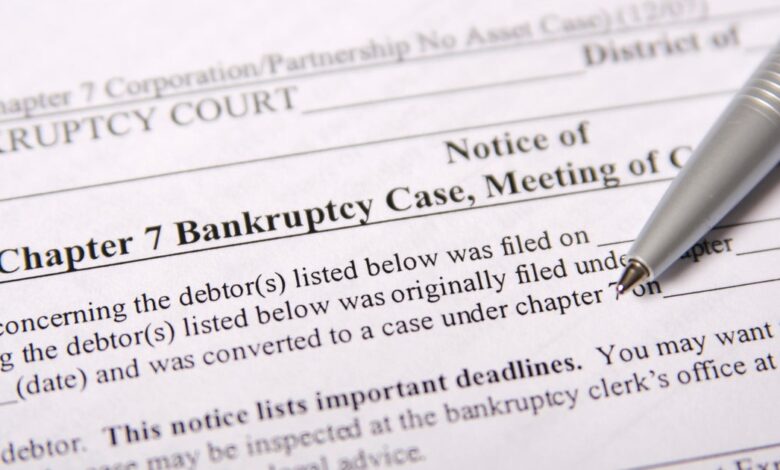
The latest data reveals a concerning trend: more Americans are filing for bankruptcy, indicating that economic challenges and price pressures are taking a toll on households across the country. According to Epiq AACER, total consumer bankruptcy filings surged by 12% from 478,752 in 2024 to 533,949 in 2025. This increase is significant and highlights the financial struggles that many individuals are facing.
The economic landscape in the United States is fraught with challenges, including inflation, elevated borrowing costs, and other financial pressures. John Rao, a senior attorney with the National Consumer Law Center, noted that Americans often delay filing for bankruptcy until they can no longer manage their debts. Factors such as rising medical insurance costs, mounting credit card debt, and the resumption of student loan repayments are contributing to the spike in bankruptcy filings.
Inflation has also played a role in making it difficult for Americans to cover their expenses while paying down debt. Although inflation has moderated since reaching a 40-year high in 2022, prices are still rising above the Federal Reserve’s target of 2% annually. A recent poll by CBS News revealed that a majority of Americans are struggling to afford basic living costs, such as healthcare, food, and housing.
While bankruptcy can provide a fresh start for individuals drowning in debt, it comes with consequences. A bankruptcy filing can damage credit scores, delay homeownership, and make it harder to qualify for loans in the future. Despite these drawbacks, bankruptcy remains a common financial tool, with one in 10 Americans filing for bankruptcy at some point in their lives, according to a report by LendingTree.
Commercial bankruptcies are also on the rise, increasing by 5% from 2024 to 2025. National and regional retailers, including Forever 21 and Joann Fabrics, have faced financial difficulties and sought bankruptcy protection. Chapter 11 bankruptcies, which allow companies to restructure their finances, saw a modest 1% increase in filings, driven by higher interest rates and inflation.
Experts point out that the rise in bankruptcies represents a return to pre-pandemic levels, as COVID relief measures helped prop up businesses and households during the pandemic. However, as these temporary measures fade, bankruptcy filings have started to increase steadily since 2022. While the overall number of bankruptcies remains below pre-pandemic levels, there is a possibility of further increases in the coming years.
In conclusion, the recent uptick in bankruptcy filings reflects the ongoing financial challenges faced by Americans in the wake of economic uncertainties. As individuals and businesses grapple with mounting debts and financial pressures, bankruptcy may offer a path towards financial stability, albeit with long-term consequences. Experts suggest that the trend of increasing bankruptcies may continue in the near future, highlighting the need for financial resilience and planning in these uncertain times.