Mosquito-Borne Infections Are On The Rise. Here’s How To Bite Back
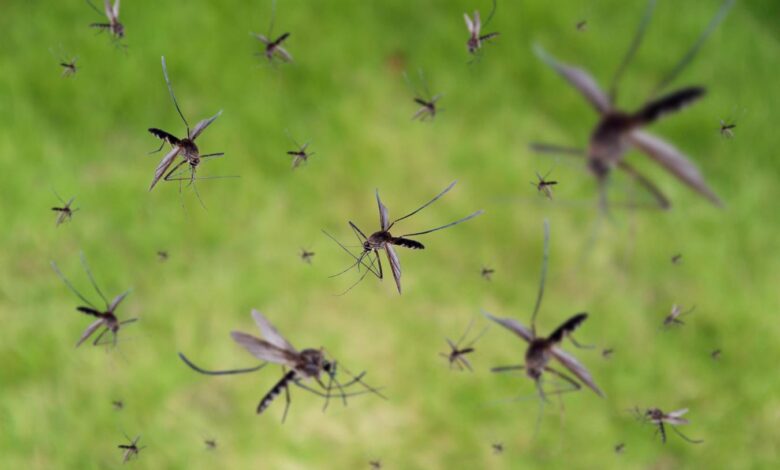
As the summer heat intensifies in various parts of the country, concerns are mounting over the increasing cases of mosquito-borne illnesses that pose a significant risk to public health. The U.S. Centers for Disease Control and Prevention (CDC) continues to monitor and provide updated guidance to help individuals safeguard themselves and their loved ones against these diseases spread by infected mosquitoes.
West Nile Virus: A Persistent Threat
West Nile virus remains the most commonly reported mosquito-borne illness in the contiguous United States. The CDC is actively monitoring the disease, with 49 cases reported in 2025 so far. However, the peak season for cases typically occurs in late summer and early fall when mosquito populations are at their peak. Over the past decade, the U.S. has seen an average of 1,000 to 3,000 cases of West Nile virus annually.
Transmitted primarily by Culex species of mosquitoes, West Nile virus often presents with mild symptoms in most infected individuals. However, about 20% of those infected may experience fever, headache, body aches, joint pain, vomiting, diarrhea, or rash. Severe cases affecting the central nervous system, such as encephalitis or meningitis, can occur in approximately 1 in 150 infected individuals, particularly in children and the elderly, and can be fatal.
Dengue Fever: A Growing Concern
Dengue fever is emerging as a significant threat, prompting multiple health alerts from the CDC in 2025. The CDC issued a Health Alert Network notice in March, highlighting the high dengue activity in certain parts of the U.S. and globally. Recent outbreaks in the Americas have resulted in millions of illnesses, with Florida reporting over 100 cases in 2025 and a total of 2,396 cases nationwide.
Transmitted by Aedes aegypti and Aedes albopictus mosquitoes, dengue fever typically manifests with sudden high fever, severe headache, eye pain, muscle and joint pain, and sometimes a rash. The progression to severe dengue, a medical emergency that can lead to bleeding, organ failure, and death, is a major concern.
Eastern Equine Encephalitis: Rare but Deadly
Eastern Equine Encephalitis poses a serious threat, with relatively rare cases but high mortality rates. While no cases have been reported in 2025, there were 19 cases and five deaths in 2024. The virus, with a mortality rate of around 30% in cases of encephalitis, primarily circulates among birds and mosquitoes in freshwater swamps, particularly in the Atlantic and Gulf Coast states.
Symptoms of EEE include sudden fever, chills, body aches, and in severe cases, encephalitis leading to seizures, coma, and death. The CDC maintains surveillance and data collection for EEE due to its severe consequences in humans.
Prevention: Your Best Defense
The CDC underscores prevention as the most effective strategy against mosquito-borne infections. Implementing multiple layers of protection can help reduce the risk of mosquito bites:
- Personal Protection: Use EPA-registered insect repellents with DEET, picaridin, or oil of lemon eucalyptus. Wear long-sleeved shirts and pants, especially during peak mosquito activity times. Consider clothing and gear treated with permethrin for added protection.
- Environmental Control: Eliminate standing water where mosquitoes breed and maintain proper drainage. Install screens on windows and doors to prevent mosquito entry.
- Indoor Protection: Stay in air-conditioned places with screened windows or doors. Use bed nets if sleeping outdoors or in unscreened areas.
- Travel Precautions: Take extra precautions when traveling to areas with dengue or Zika transmission. Pregnant women should consult healthcare providers before traveling to affected regions.
When to Seek Medical Care
If you experience fever, rash, or body aches after mosquito exposure, seek medical attention promptly. Early detection and proper medical management can prevent complications and improve outcomes. Testing for mosquito-borne illnesses is available at larger reference labs or public health facilities.As the landscape of diseases continues to evolve due to factors like climate change and global travel, the rise in mosquito-borne illnesses serves as a stark reminder of the immediate threats to public health in the United States. By taking appropriate precautions and staying informed, individuals can reduce the risk of infection and enjoy a safe and healthy summer season ahead.