Mosquito-borne viruses kill 33 people, including 21 children, in Cuba
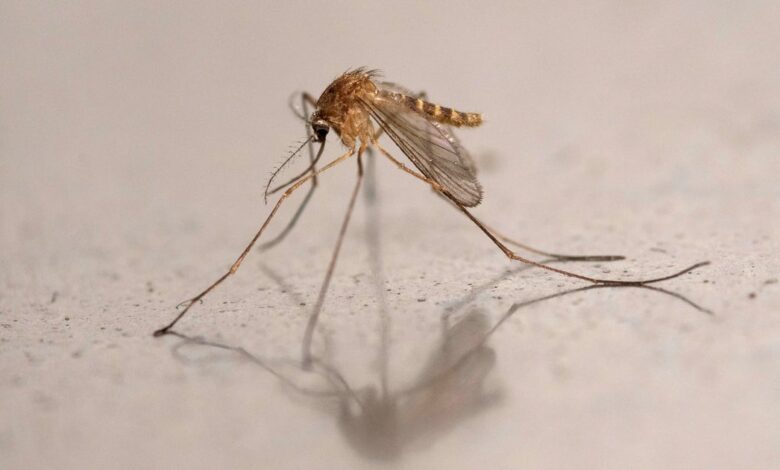
A total of 33 individuals, including 21 children, have tragically lost their lives in Cuba due to the mosquito-borne chikungunya and dengue viruses since July, as reported by authorities on Monday. Deputy health minister Carilda Pena disclosed that most of the fatalities were attributed to chikungunya, a virus known for causing fever and joint pain, while the flu-like dengue claimed 12 lives. The outbreak of chikungunya initially surfaced in Cuba’s Matanzas province in July and swiftly spread to all 15 provinces of the country.
Chikungunya, which was first identified in Africa in the 1950s, manifests through symptoms such as severe joint aches, fever, and fatigue according to the Centers for Disease Control and Prevention (CDC). The onset of symptoms usually occurs within three to seven days post a mosquito bite. While most individuals recover within a week, some may experience prolonged joint pain. Although fatalities are rare, newborns infected at birth, individuals over 65, and those with underlying health conditions are at a higher risk of severe illness.
Meanwhile, alongside the chikungunya outbreak, Cuba is also grappling with a surge in dengue cases amidst challenges such as clean water shortages, food scarcity, fuel deficiencies, and medication shortages during a severe economic crisis. Despite Cuba’s reputation for medical and pharmaceutical expertise, the current outbreak was exacerbated by issues like poor hygiene, waste accumulation, and water storage practices due to intermittent clean water availability.
Amidst the crisis, Cuba’s medical services and prevention programs, including mosquito fumigation, have experienced a decline due to the country’s economic constraints worsened by U.S. sanctions and the impact of the COVID-19 pandemic on the tourism sector. The CDC recommends vaccines for individuals traveling to outbreak areas and emphasizes the importance of mosquito prevention measures as the disease cannot be transmitted from person to person.
For travelers to countries with chikungunya outbreaks like Cuba, the CDC has issued travel notices advising increased precautions and vaccination. Notably, New York reported its first locally acquired case of chikungunya in October 2025, marking the first such case in the U.S. since 2019. Other chikungunya cases in the U.S. have been linked to international travel experiences.