‘Murder In Glitterball City’ Filmmakers on Their Queer True-Crime Doc
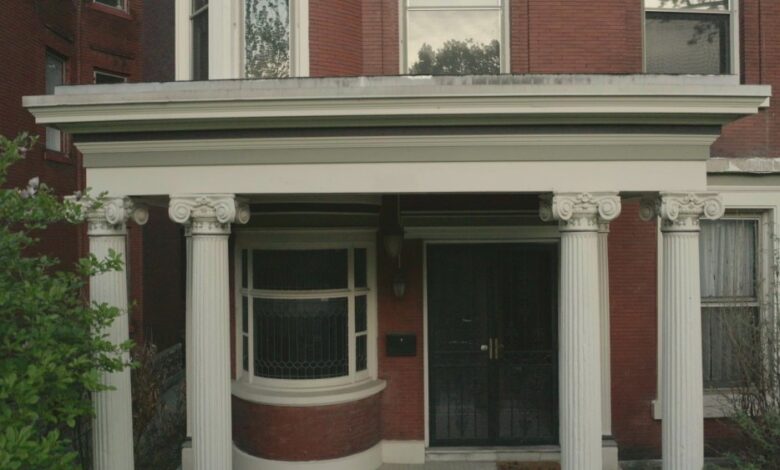
The murder of James “Jamie” Carroll in June 2010 sent shockwaves through the Louisville community. His body was found by Louisville police in the house owned by Jeffrey Mundt and his boyfriend Joseph “Joey” Banis on 1435 South Fourth Street. A night of sex and drugs had turned deadly, and the question of who was responsible for the gruesome murder haunted investigators and the community.
In the two-part HBO documentary “Murder in Glitterball City,” filmmakers Fenton Bailey and Randy Barbato delve into the toxic relationship between Banis and Mundt that ultimately led to Carroll’s murder. The documentary opens with what appears to be Banis confessing on camera, but as the story unfolds, it becomes clear that there is more to the story than meets the eye.
Bailey and Barbato, both queer filmmakers, felt it was important to honor the victim, Jamie Carroll, while also presenting the details of the case without shying away from the gruesome nature of the crime. The documentary explores the trial of Banis and Mundt, shedding light on the complexities of the case and the aftermath of the murder.
The filmmakers spent years researching and piecing together the story, immersing themselves in the community and the characters involved in the case. From Angelique X Stacy to John and Missy, the documentary features a diverse cast of characters who provide insight into the events leading up to Carroll’s murder.
One of the key elements of the documentary is the wealth of archival footage that helps piece together the puzzle of Carroll’s murder. Bailey and Barbato, self-proclaimed “archive queens,” worked tirelessly to gather and analyze archival material, including footage from Joey’s laptop that provided crucial information about the case.
As the documentary unfolds, viewers are taken on a journey through the dark underbelly of Louisville, exploring the complexities of the case and the impact it had on the community. Through interviews with key players and archival material, Bailey and Barbato paint a vivid picture of a crime that shocked a city and left a lasting impact on all those involved.
“Murder in Glitterball City” is a gripping true-crime documentary that delves deep into the complexities of a murder case that captivated a community. Through meticulous research and storytelling, Bailey and Barbato bring to light the dark undercurrents of a toxic relationship that ultimately led to tragedy. Even now, with the Epstein files surfacing, it seems overwhelming to process all the information. The sheer volume of data captured by Joey through phone calls, texts, and videos is truly astonishing. One particular revelation that stands out is Jeffrey’s alleged involvement in a counterfeiting operation. The extent of his illegal activities is truly mind-blowing.
Reflecting on their documentary journey, the archive and documentary experts, Randy and Bailey, embarked on a quest to uncover the truth behind the crime. Their primary question was whether justice had been served and what secrets lay hidden within the story. As they delved deeper, they discovered a myriad of other questions that led them down unexpected paths. The exploration of the community, the city, and the various characters connected to the crime added layers of complexity to their investigation.
One key aspect that emerged was the importance of understanding the relationships and dynamics at play in the crime. LaTanya, an education witness, shed light on the impact of domestic abuse on individuals and communities. Her insights highlighted the interconnectedness of seemingly unrelated events and the ripple effects of toxic relationships. The realization that innocent bystanders like Jamie can get caught up in the turmoil of such crimes added a new dimension to their investigation.
Amidst the search for answers, the question of humanity and empathy became crucial in telling the story. Barbato and Bailey strived to humanize all individuals involved, even those potentially guilty of heinous acts. They emphasized the need to connect with the human side of each character, including the attorneys, to foster a deeper understanding of the complexities at play.
In the case of Joey, his journey from a seemingly normal relationship to darker depths raised questions about the nature of monsters. The realization that even monsters have a softer side challenges conventional perceptions of good and evil. The exploration of when individuals may cross the line into becoming monsters provokes introspection on the nature of justice and accountability.
As the documentary unfolds, the nuances of humanity and the blurred lines between good and evil come to the forefront. The quest for justice and the unraveling of complex relationships paint a multifaceted portrait of the individuals involved in the crime. Through empathy and understanding, the filmmakers seek to shed light on the human side of a dark and twisted tale.
Ultimately, the documentary serves as a reminder of the intricacies of human nature and the capacity for both good and evil within us all. The trailer offers a glimpse into the gripping narrative that unravels the layers of deception and intrigue surrounding the crime.