New Cell Therapy Improves Pancreatic Cancer Survival
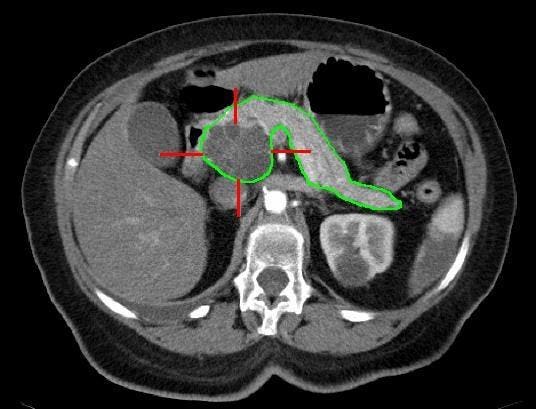
A groundbreaking immune cell therapy is offering new hope for individuals battling pancreatic cancer, a disease that has historically had limited treatment options and poor survival rates. For years, the outlook for pancreatic cancer patients has been grim, with little progress made in improving outcomes. However, the advent of CAR T therapy, a form of immunotherapy that trains a patient’s immune cells to target and destroy cancer cells, has the potential to change the landscape of pancreatic cancer treatment.
Pancreatic cancer is particularly challenging to treat due to its late-stage diagnosis and the aggressive nature of the disease. Traditional treatments like chemotherapy have had limited success, with most patients surviving less than a year after diagnosis. CAR T therapy, which has been successful in treating blood cancers, faces unique challenges when it comes to solid tumors like pancreatic cancer. The dense tissue and abnormal blood vessels of pancreatic tumors make it difficult for immune cells to penetrate and target the cancer cells effectively. Additionally, the lack of clear markers on cancer cells and the similarity between healthy and cancerous cells further complicates treatment with immune cell therapy.
To address these challenges, researchers have developed a new approach to CAR T therapy that targets multiple antigens simultaneously. By engineering immune cells to recognize markers like PRAME, SSX2, MAGEA4, NY‑ESO‑1, and Survivin, which are commonly expressed on pancreatic cancer cells, this dual-antigen approach increases the likelihood of effectively targeting and destroying the cancer cells. Early results from clinical trials have shown promising outcomes, with patients experiencing longer survival rates and sustained levels of tumor-seeking T cells post-treatment.
Moving forward, researchers are exploring ways to personalize this therapy to individual patients, potentially enhancing its effectiveness and reducing side effects. Larger studies are needed to validate these findings and determine which patients will benefit most from this innovative approach. By targeting multiple tumor-associated markers simultaneously, this new form of immune cell therapy represents a significant advancement in the treatment of pancreatic cancer and paves the way for future innovations in cancer care.